
The Techniques and Principles of Effective Stump Removal
Ensure a healthy and attractive landscape with effective stump removal. Say goodbye to pests, diseases, and safety concerns in your garden.
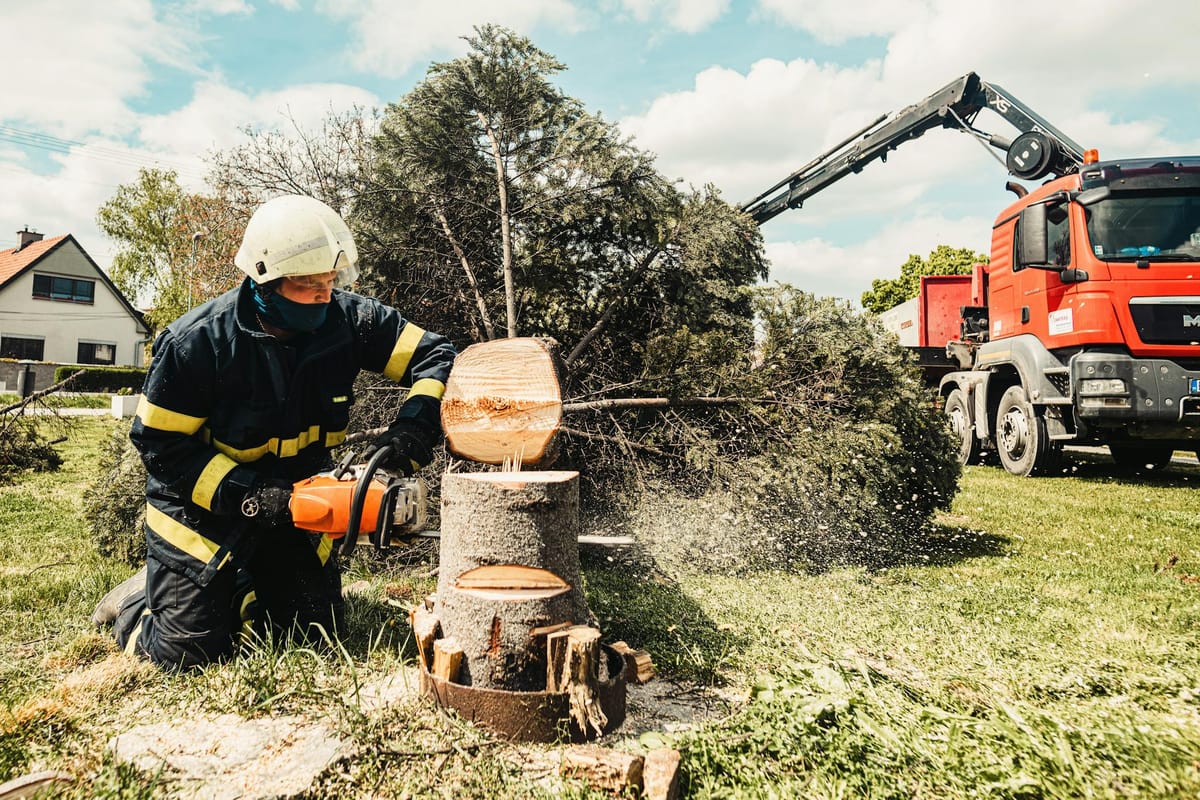
Stump removal is an overlooked aspect of maintaining a pristine and healthy landscape. While many might focus on tree care or garden aesthetics, stump removal in Paris is often overlooked, yet the stumps left behind can pose multiple hazards.

Key Takeaways
- Stump removal prevents pests and diseases, offering aesthetic and safety benefits.
- Various methods like grinding, chemical removal, and manual extraction exist.
- Environmental considerations are crucial during stump removal processes.
- Local regulations might affect stump removal practices.
The Importance of Stump Removal
They have the potential to become hubs for pests like termites or insects, which can harm your home or garden vegetation. Furthermore, the decaying wood can harbor fungi that might spread diseases to healthy plants nearby.Thus, removing stumps can be seen as a preventive measure that ensures your garden remains a safe and attractive place. Homeowners in areas such as Stump Removal in Paris have experienced firsthand the transformative power of professional stump removal services, which not only add beauty but also provide a safer environment.Methods of Stump Removal
Several methods are available for stump removal, each suited to different circumstances and preferences. Grinding is a popular method, especially for those looking to convert the stump into helpful wood chips. This process involves using a specialized stump grinder to shred the stump into small pieces, which can be used as mulch for gardening purposes. This technique quickly removes the stump and repurposes it into a resource that can enhance soil health.Another method is chemical removal, which leverages compounds that accelerate the stump's decomposition. This procedure includes drilling holes in the stump and filling them with chemicals that speed up decomposition. Even though it is less demanding in terms of physical work, it still demands patience since the stump decomposition could take anywhere from a few weeks to several months. It is an excellent option for individuals who are relaxed and favor a less strenuous approach.Lastly, manual extraction is the oldest method still in use today. This involves digging around the stump and cutting it out of the ground, roots, etc. While labor-intensive and best suited for smaller stumps, it provides a comprehensive removal solution without chemicals or heavy machinery.Environmental Considerations
The environmental impact should be crucial in decision-making when considering stump removal options. Grinding, for instance, offers a way to minimize soil disruption while providing beneficial mulch. By EPA guidelines, methods that employ less harmful chemicals are favored for preserving soil health and ensuring long-term environmental sustainability. By selecting environmentally considerate methods, homeowners contribute to maintaining local biodiversity and preventing unnecessary harm to the ecology surrounding their properties.Pros and Cons of Each Method
- Grinding: This method is advantageous due to its speed and the immediate usability of the area post-removal. However, the aftermath involves dealing with wood chip residues.
- Chemical Removal: Its main advantage is its minimal physical effort, making it suitable for those unable to undertake manual labor. On the downside, it requires significant time to decompose thoroughly.
- Manual Extraction: This method is environmentally friendly and does not require chemicals or machinery. It's particularly effective for small stumps but demands considerable physical labor.