
Why You Should Turn to Drones for Enhanced Risk Management

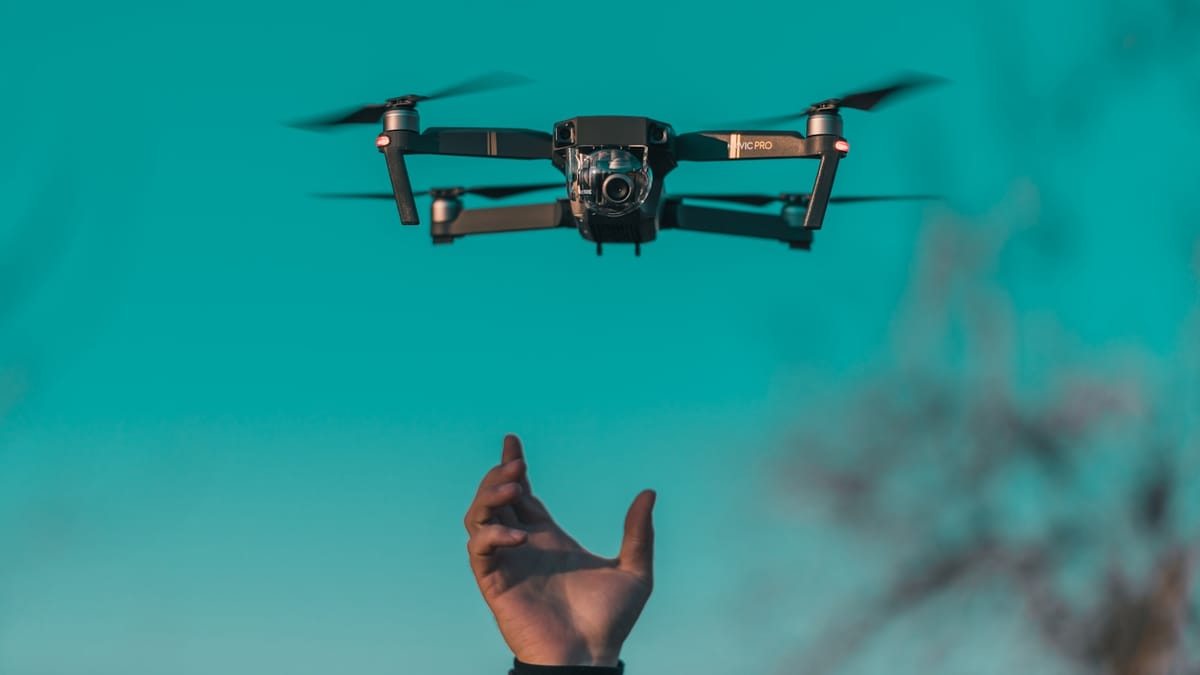
The list of risks that business organizations have to deal with today is growing by the minute (be it workplace hazard, environmental risk, compliance issues). The conventional method of risk management can also take a considerable amount of time, financial resources, and put them at risk in case of dangers on-site. The development of sophisticated drone technology has enabled companies to have a potent tool to minimize risks and enhance efficiency and precision. Drones are not confined to aerial photography and niche markets. They have now become part of helping in safety, compliance and resilience of operations.
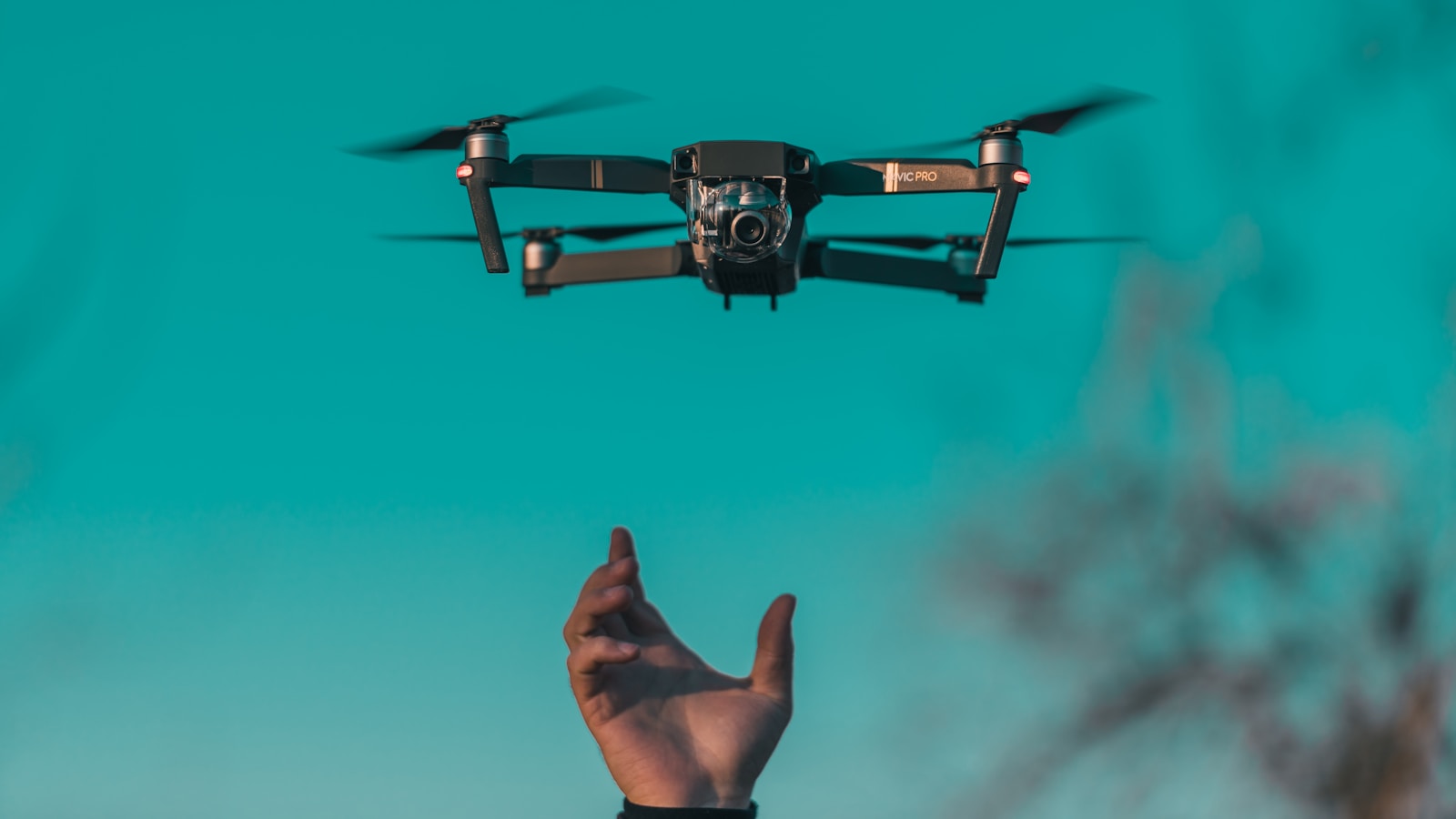
The use of drones as the means of improving risk management gives companies a fresh perspective on how to be more efficient in detecting possible risks, mitigating them, and responding to their emergence. Drones have the potential to revolutionize the way businesses handle safety and risk management due to the capability to provide a real-time view and actionable data. The fact that they are versatile in all industries underscores their increasing importance in ensuring that people and property are safe.
Improving Workplace Safety
One of the fundamental points of risk management is making sure that employees are safe in their routine functioning. The common form of traditional safety inspections mandate staff to reach high areas, to narrow corridors, or unstable environments, which disposes them to unnecessary risk. Drones enable executing inspections without exposing human life to risks as it is possible to take close shots and gather extensive data and visuals remotely. This change minimizes the accidents and gives companies valuable information on structural integrity and risks.
This approach has especially benefited industries like the construction industry, energy industry and manufacturing industries. These companies can combat unsafe conditions by applying the services of drones to their safety programs in real time. The outcome is that the problems are determined quicker and can be addressed in time before turning into very expensive incidents. Drones are redefining the basis of workplace safety by minimizing human exposure to hazards.
Enhancing Compliance Supervision
One of the most urgent issues of companies which represent regulated spheres is compliance. Environmental regulations, safety levels, and working norms need to be monitored and properly reported. Drones offer an efficient and inexpensive way of gathering compliance information on a massive or intricate location. The imagery is high-resolution and real-time video allows control that none of the details are missed during inspections.
The drone video services have particularly proven useful when recording compliance measures. Aerial shots of safe practice and guideline followance are beneficial to regulators and auditors to see the evidence. This does not only enhance credibility of compliance reporting, but also minimizes chances of expensive fines or tinted reputations. Drones can be very helpful in enhancing compliance supervision by providing transparency and reliability.
Assisting In Emergency Response
When any emergencies arise, the availability of the right information in a very short period of time can result in the difference between a controlled situation and a large-scale destruction. There is a threat of fires, spillages, and natural disasters, among others, all of which require immediate and timely action. Drones can enable emergency personnel to get aerial views, enabling them to evaluate hazardous areas, find effective paths, and distribute resources.
In such situations, businesses may hire the services of drones to save the lives of employees and secure property. The fact that live footage can be taken without putting personnel in risky locations means that essential decisions are taken on the basis of clear and real-time information. Where time is a crucial issue, drones are directly involved in minimizing the harm and the impact in the long term.
Reducing Operational Costs
Risk management should also be concerned not only with safety but also with the control of costs of accidents, downtimes, as well as inefficiencies. Conventional inspections are also characterized by costly equipment, skilled labor and high downtime particularly when it comes to huge infrastructure. Drones drastically reduce such expenses through offering quick, precise, and less manpower-consuming ways of information collection.
The financial advantage of using drone technology in risk management is evident with time. Companies are able to save large sums of money by reducing the risk of accidents and the possibility of penalty by the authorities. The savings in costs, along with the increased safety and efficiency, make drones a viable and cost-efficient option to the contemporary business that intends to be resilient in the long-term.
Improving Data Driven Decisions
Risk management does not only involve the identification of the hazards but also the making of informed decisions on whether to deal with them or not. Detailed information that drones gather such as aerial images, video, and thermal scanning will enable managers to comprehend the possible risks better. With this information, they can be able to come up with specific mitigation measures that are supported by facts instead of suppositions.
Drone services will be particularly helpful in giving visual confirmation of threats to decision-makers. It is a given that whether one is on a construction site tracking erosion or even detecting wear and tear on infrastructure, with the right visuals in place, one can be sure that the response is proportionate and effective. By doing so, drones can evolve out of being used as a surveillance tool and become a key part of risk management plans that operate on data.
Conclusion
The introduction of drones to the risk management practices can be considered as a great step forward in terms of the methods used by businesses to secure their employees, assets, and reputation. Improving the safety of workplaces and maintaining compliance control up to aiding emergency management and cutting expenses, the use of drones presents a set of advantages that none of the conventional solutions can offer. They enable organizations to be at the forefront of risks in the expanded business environment as they offer real-time insights and enhance the use of data to make decisions.
To the companies who respect safety, compliance, and efficiency, the adoption of drone services will be not only a technological enhancement but a sensible tool. The importance of drones in risk management will become even more significant as industries learn the usefulness of aerial intelligence. Drones have become an inseparable element of the contemporary risk management strategy due to the combination of the increase of the level of safety, the minimization of costs, and the certainty of information.