Why You Need Metal Panels For Energy Code Compliance

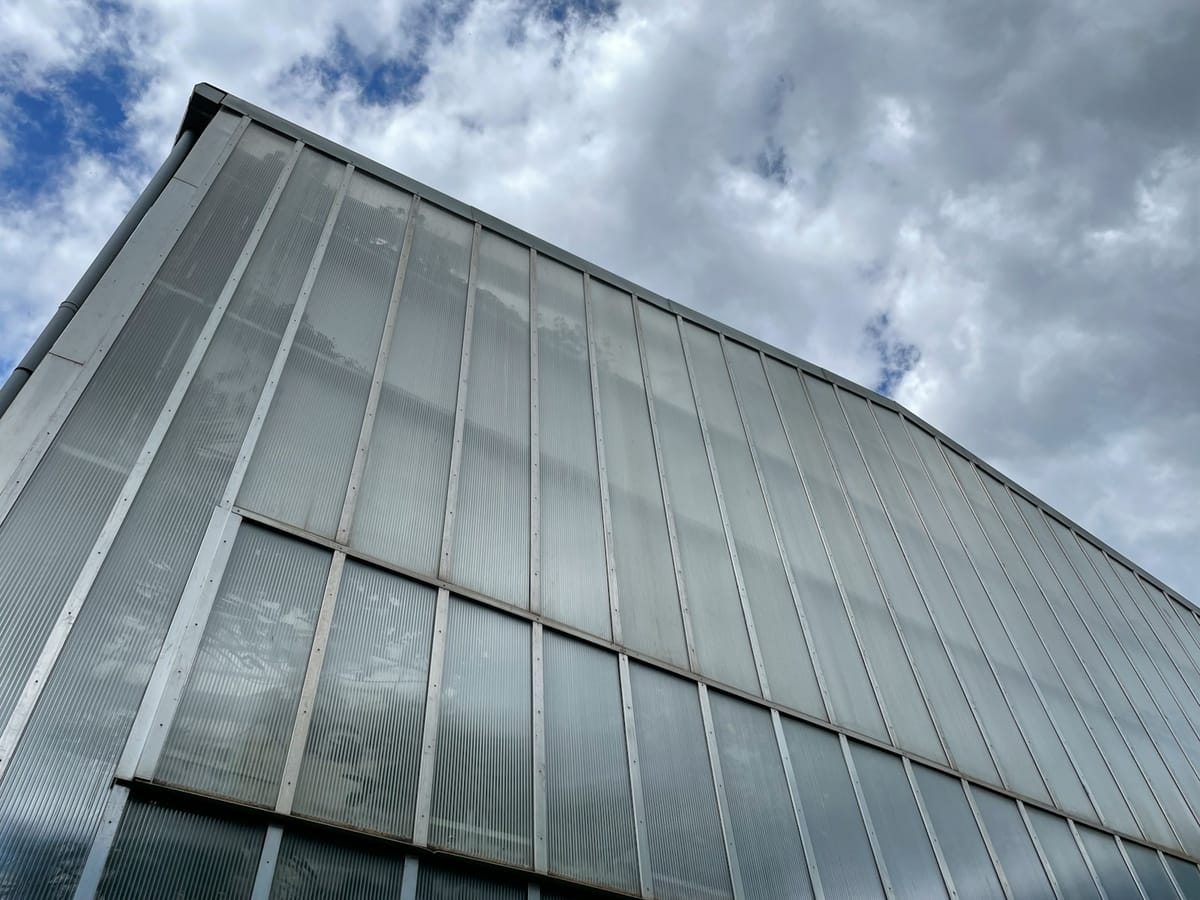
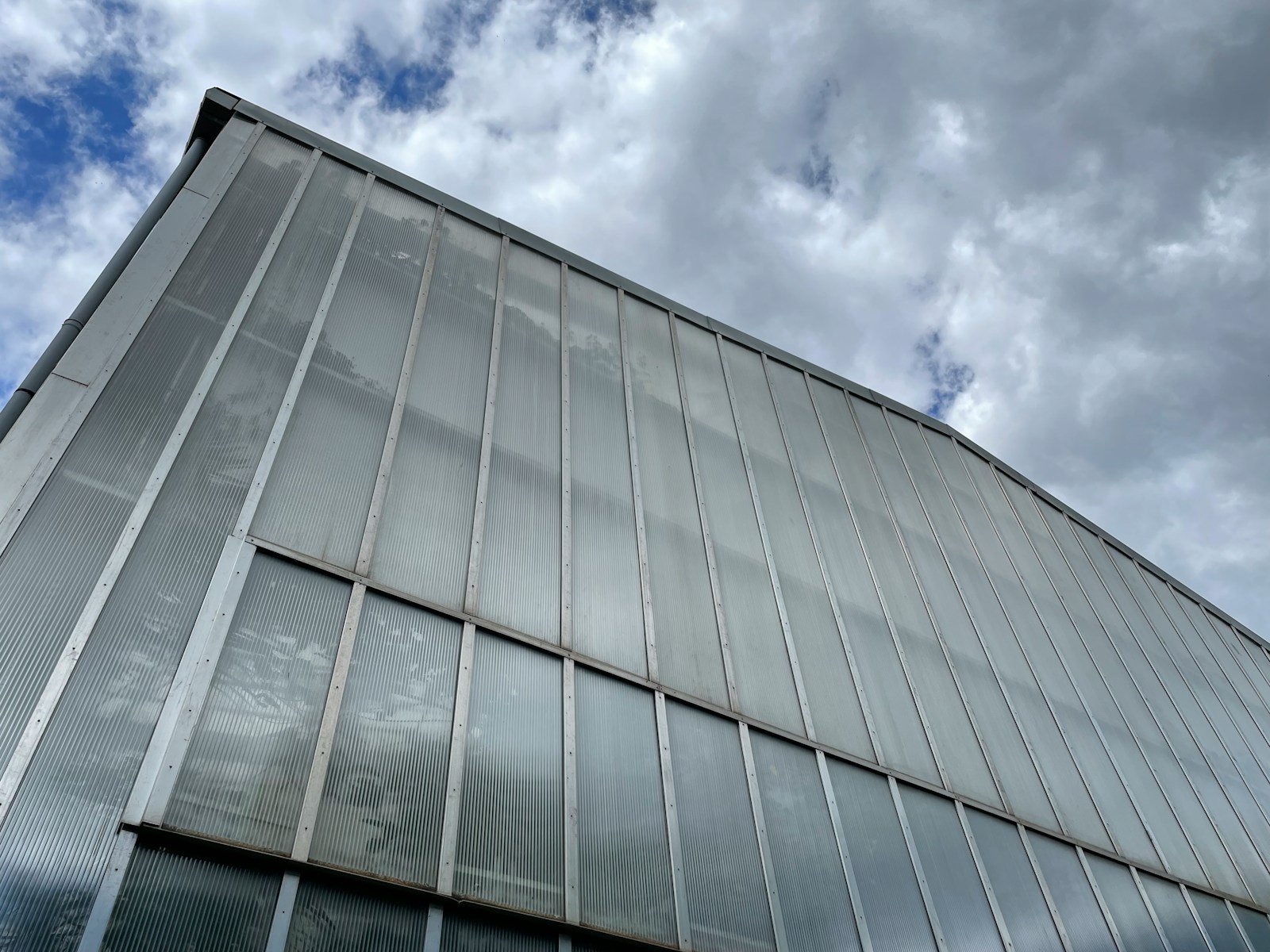
The commercial buildings have been compelled to be more efficient, sustainable and cost effective as energy codes have become a key consideration in the construction industry. Adherence to such standards is no longer voluntary, as the impact of non-adherence might be a penalty imposed by the regulatory authorities, increased costs of operation, and diminished marketability. Builders and developers are currently seeking solutions that can make compliance easier and offer long term benefits and metal panels have become a major option. Specifically, insulated metal panels have a combination of durability and thermal efficiency, which is much more consistent with energy code requirements.
The movement towards the low-energy consumption building does not only involve the decrease of utility bills. Adherence to the contemporary codes guarantees that buildings are able to have stable interiors in terms of temperature, consume less energy and have less impact on the environment. As the cost of energy keeps increasing, and sustainability standards are getting more and more strict, it is important to invest in the right materials at the very beginning. Metal panels such as insulated roof panels offer a viable long term solution to the developers who aim at exceeding these requirements.
Metal Panels Thermal Efficiency
The thermal performance of metal panels is very high and it is one of the major factors in ensuring compliance to energy codes. The insulated metal panels are designed to create a unified thermal enveloping warding off heat loss during winter and decreasing heat gain in summer. This efficiency lowers the burden on the HVAC systems, minimizes the use of energy and the buildings enclose the required R-values as required by the current energy codes.
Metal panel thermal performance also helps in enhancing comfort to the occupants. These panels are useful in making a stable and productive environment by ensuring that the interior temperatures are always kept the same and drafts are minimized. Structures erected using high quality insulated roof panels can sustain optimum energy efficacy throughout their lifestyles, thus a surety of selection in commercial projects that strive to keep along with lengthy ascertained obedience.
Durability And Longevity
Long-term durability is one of the benefits of working with metal panels in the construction of a commercial building. These materials are resistant to corrosion, warping, and wear due to weather which may undermine the insulation effectiveness in the long term. Through structural integrity, metal paneling assists to ensure that energy efficiency does not go down through degradation of materials.
The durability of metal panels also means that there will be less repairs and replacement hence less cost of maintenance. The insulated metal panels, which have been in use since decades, are a smart investment option to developers and owners of buildings who prefer not to upgrade their buildings constantly to meet the energy codes. Its durability and energy efficiency are combined to make sure that the building will not go out of compliance during its entire lifespan.
Integration And Flexibility Of Design
Metal panels are highly versatile to the design in that they can fit easily into any type of building. They can be designed to match aesthetics without compromising on energy performance making them quite suitable in commercial projects where functionality and looks do count. The panels used on the roof like insulated roof panels can be customized to suit particular slopes of the roof and the architectural needs and yet be able to give the required thermal protection.
This flexibility of design also facilitates the adherence to energy codes in complicated buildings. Other systems that are energy efficient and can be merged with the metal panels include high performance glazing, high end HVAC, and renewable energy technologies. It is through this integration that the building as a whole would be able to achieve the energy performance required by the regulations whilst still having a look of the modern, professional building.
Cost Effectiveness And Sustainability
Although metal panels might be more expensive than other conventional materials initially, their energy efficiency and durability in the long run make them very cost effective. The insulated metal panels save the owner of the building on the costs of heating and cooling buildings and this enables the owners to reclaim their investment in the long run. Their service life is also long, and hence requires less frequent replacement hence making them more cost effective.
Metal panels are also aimed at sustainability objectives which are becoming increasingly energy code compliant. A large number of the insulated metal panels are produced with recycled material and can also be completely recycled after a lifetime. This helps to save the environment and accommodate the energy codes in addition to green building standards therefore making them the right choice to be used by modern constructions.
Conclusion
The compliance with the energy code requirements is a crucial factor in commercial construction, affecting the regulatory compliance and the long-term cost of the operation. The metal panels such as insulated metal panels and insulated roof panels are viable in meeting these standards. They are an intelligent investment in any project due to their thermal efficiency, durability, flexibility in design and sustainability.
By using metal panels, it is guaranteed that the buildings do not only meet the existing energy code but also perform and be energy efficient to date. By using these materials in the development of their projects, developers and owners of buildings would be able to save energy, minimize the production operating costs, and lead to sustainable construction activities. Commercial construction projects through the choice of metal panels find a point of compliance, performance and long-term value.