
The Role of Apps and Wearable Tech in Doula Services

The role of the doula is still undergoing changes due to technology on how a doula assists the family before, during, and after giving birth. Mobile applications and wearables are just a few examples of how digital technology is transforming the communication process, monitoring, and, in general, client care. Such innovations enable doulas to offer more customized data-driven services that suit the contemporary parental requirements regarding convenience and ease of access. The combination of empathy and digital intuition, combined with the human factor, empowers the doula to help the families in one of the most significant moments of their lives.
To a lot of professionals, the process of integrating technology in their practice starts at the doula school or in the process of continuous training on doula services. Such programs are starting to feature lessons on how to use apps and other digital devices reasonably to amplify the support of clients and not to take away the human touch that defines the work of a doula. The least a doula can do in adapting to the changes brought about by technology is to be more flexible and informed in providing their services to clients.
The Use of Apps in Doula Practice
Mobile applications have proved vital in the handling of pregnancy and postpartum by both customers and midwives. Pregnant mothers download apps to track contractions, watch the fetal activity, and record daily health information. This information which is shared can be accessed by the doulas to have a hint into the experience of the client even before they meet. It will enable more personalized guidance and give doulas a chance to foresee changes, physical or emotional, that may need extra assistance. Apps are also used to facilitate communication, which is made easy by clients sending brief updates, questioning, or even scheduling their sessions via safe messaging.
Moreover, digital tools are handy in running the business of doubles. Since appointment scheduler to management of client records, numerous applications are aimed at planning the working process and preserving the level of privacy. There are even those that merge with invoicing systems and it becomes easier to manage the financial records by independent doulas. With these technologies, doulas will be able to minimize the administrative stress and devote more attention to the practical care and emotional support.
The Benefits of Wearable Technology
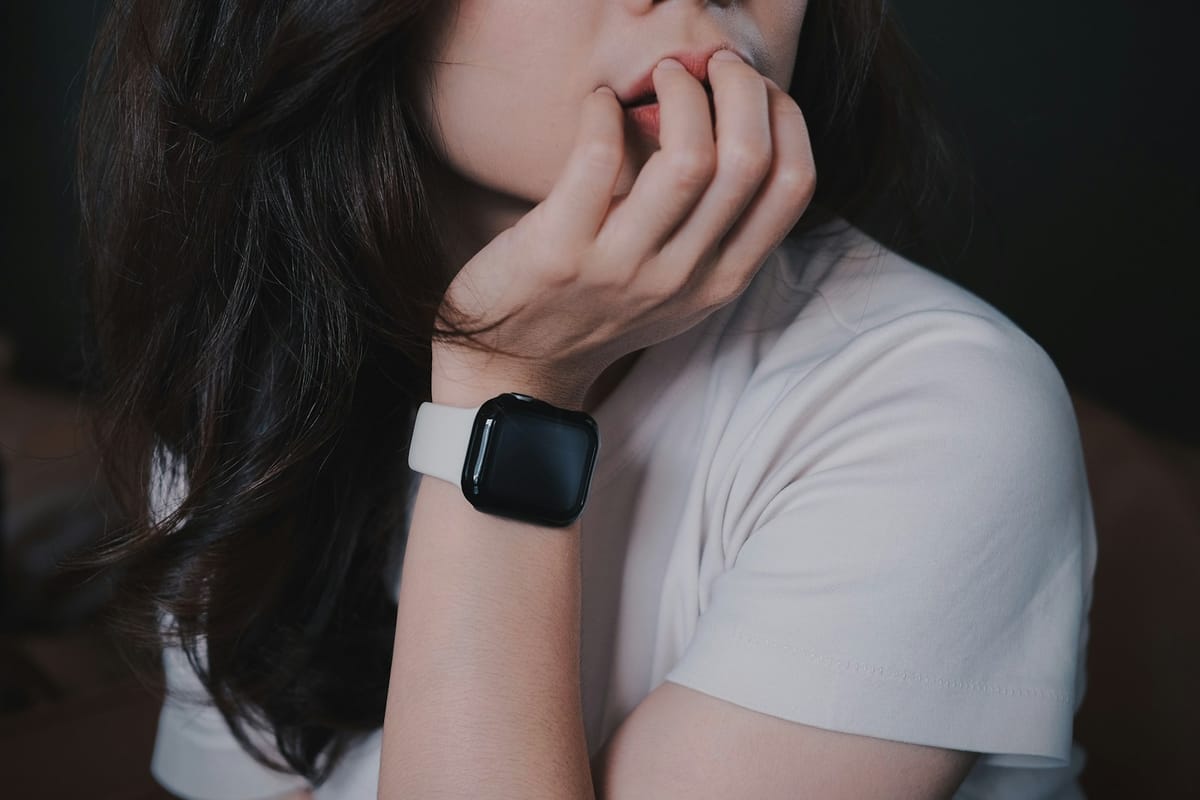
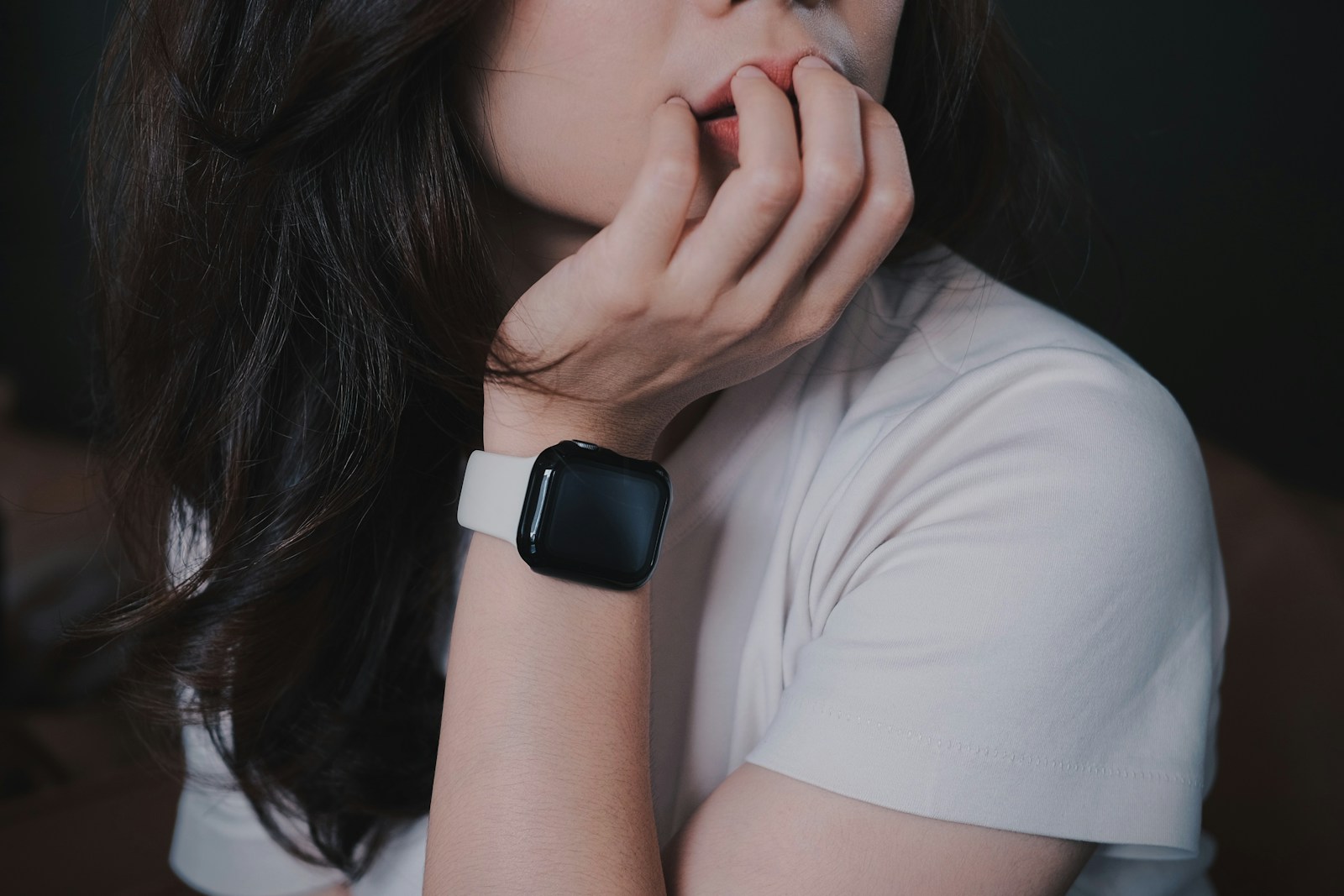
Smartwatches and health trackers are wearable devices that became a part of the daily life of many of the clients. In the case of doulas, these devices offer live health information which can be of great help during pregnancy and postpartum healing. The quality of sleep, activity levels, heart rate and indicators of stress can provide information into the well being of a client. Properly applied, this kind of information can assist the doulas in understanding when a client might require a rest, emotional support, or some extra medical support.
The gadgets also help to allow the clients to be more active in tracking their health. Knowing the reactions of their body to stress, exercise, and rest, expectant parents can make a better choice in terms of their lifestyle. This data can be deciphered by Doulas together with clients in providing a background and emotional direction and not a clinical diagnosis. This partnership fosters confidence and holisticity of doula care, data consciousness and care.
Balancing Technology and Human Connection
Although apps and wearable gadgets are convenient and precise, doulas need to reconcile the adoption of them with intimate communication. Empathy, presence, and emotional understanding are the core of doula care, which cannot be done by technology. The excessive use of devices may render interactions impersonal, and this is where doulas need to be conscious. Technology is not a replacement of human intuition and communication but rather should be a supplement thereof.
In the doula training, most of the programs focus on ethical use of technology and boundaries in the collection or interpretation of client information. As an example, doulas are advised to address privacy issues and permission in the utilization of digital tracking resources. This will provide transparency and make the clients feel respected and in charge of their information. It is possible to boost the trust which is crucial to the work of doulas, by integrating professional ethics with digital literacy.
Improving Education and Professional Growth
The app and the wearable technology also alter the way doulas study and grow professionally. Aspiring doulas can use online platforms and mobile learning tools and get access to lessons, simulations, and mentorship opportunities anywhere in the world. Virtual communities and training applications are now an effective tool to share knowledge, consult with each other, and discuss the issue in the field. Continuing education on these platforms is more flexible, especially to those doulas who have to balance family and work life.
Certain doula courses currently incorporate the use of virtual tools into their course, educating students on the use of client communication applications, data sharing systems, and even virtual birth support systems. This integration will provide new doulas with the ability to graduate with a sense of confidence to work both in-person and online. With technology ever changing, constant learning will be the most important factor to keep the doulas aligned and successful in a profession that behaves with compassion and innovation.
The Future of Digital Doula Services
With the development of technology, the connection of digital tools and doula work will become stronger. Telehealth, remote monitoring, and artificial intelligence will tend to enter the maternity care environment, giving doulas more chances to expand. Virtual postpartum support sessions can be used as an example of such clients in remote locations or those who want to recover at home. The information gathered by wearable devices can be added to doula software soon, and it may be seamlessly tracked and provided.
Even with these developments, the human element in the work of a doula will never be pushed out of the profession. Technology could make communication and efficiency better, yet empathy, intuition, or the emotional power doulas add to the birth process cannot be substituted. Through a wise approach to technology and a consistent focus on what truly matters in being a doula, which is caring for patients, doulas can make their profession remain up-to-date and intimate at the same time in the coming decades.