
The Reasons Why Ongoing Campaign Tracking Is Critical for SEO Success

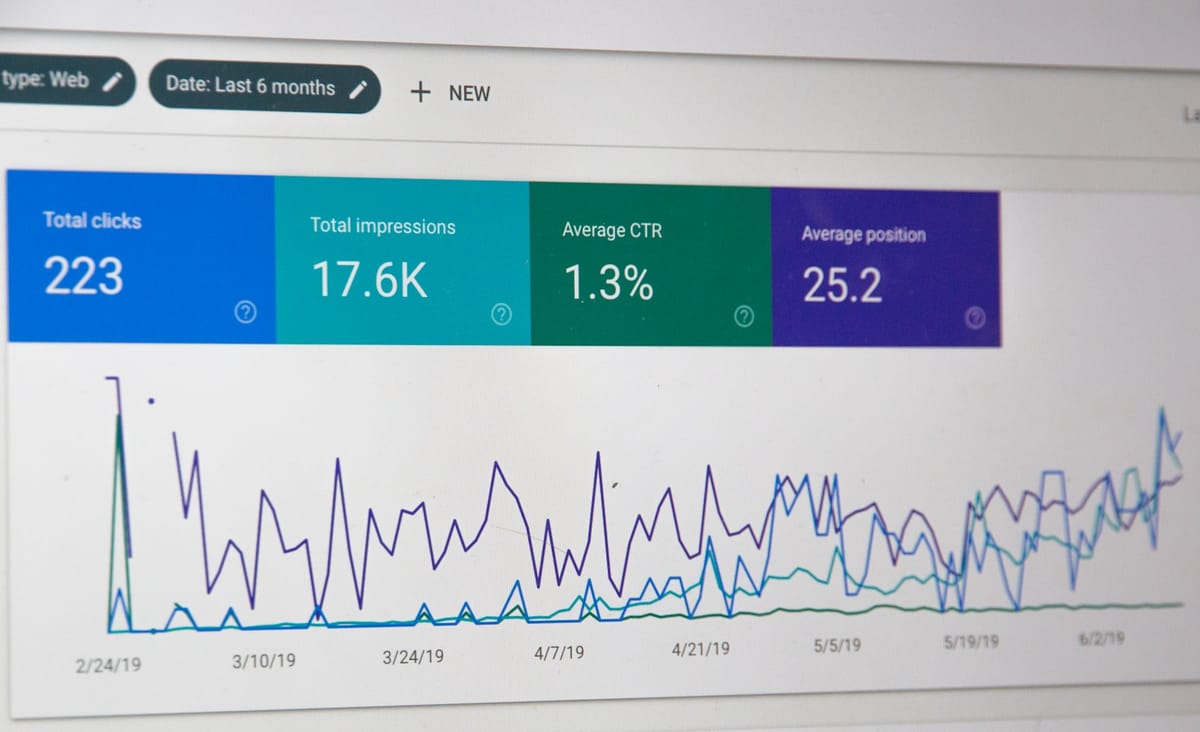
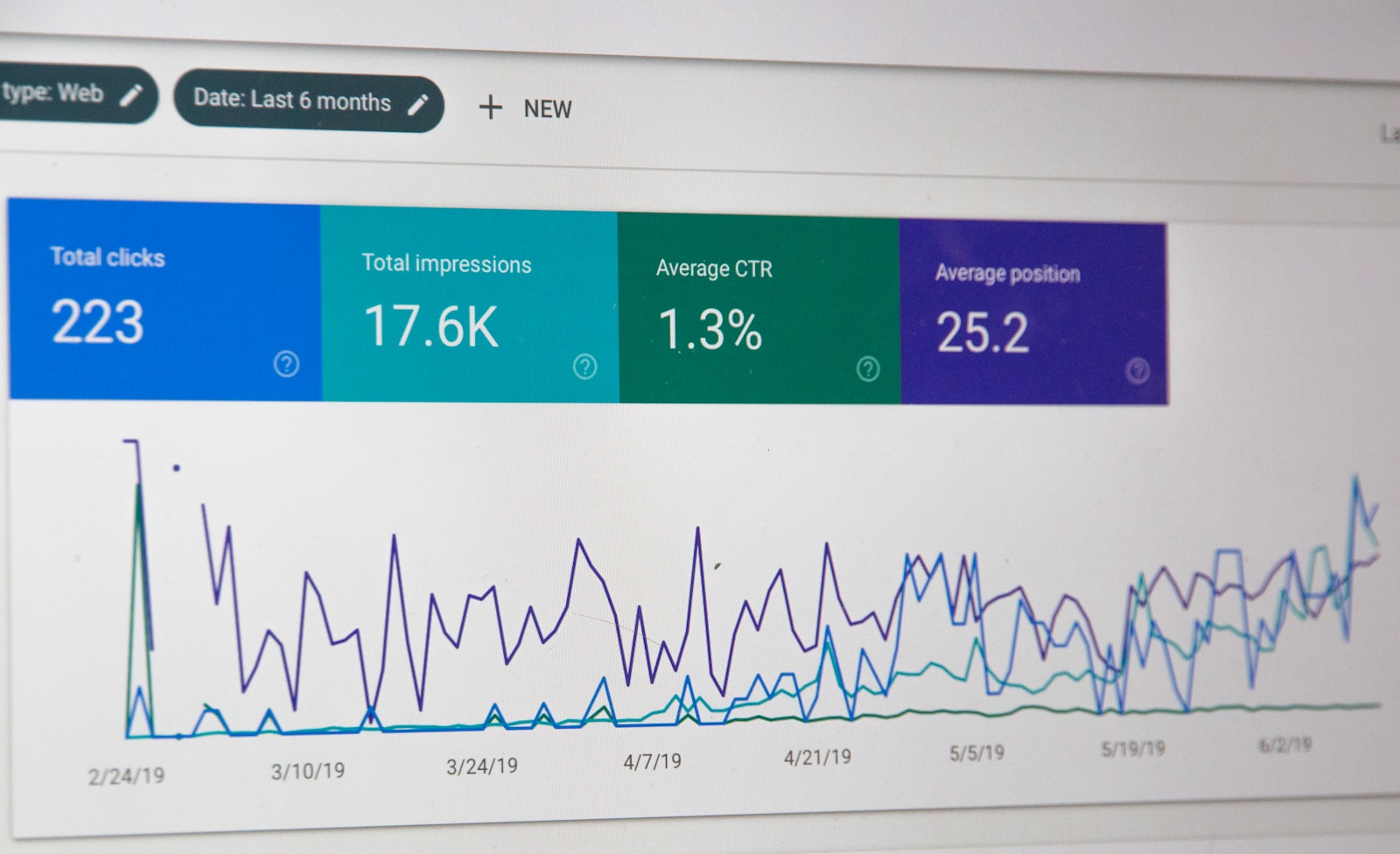
In digital marketing, search engine optimization (SEO) remains one of the most effective strategies for driving organic traffic and improving online visibility. However, achieving long-term SEO success is not just about implementing best practices and optimizing content once. It requires consistent monitoring and tracking of campaigns. Ongoing campaign tracking is critical because it provides actionable insights, ensures strategy effectiveness, and helps businesses adapt to the dynamic digital environment.
Understanding What Works and What Doesn’t
One of the main reasons continuous tracking is essential is that it allows businesses to understand which aspects of their SEO strategy are performing well and which are falling short. By regularly monitoring metrics such as organic traffic, click-through rates, and conversions, marketers can identify high-performing pages and replicate successful strategies across other areas. Conversely, underperforming elements can be adjusted or removed, preventing wasted time and resources. Without ongoing tracking, it is nearly impossible to make informed decisions and optimize campaigns effectively.
Adapting to Search Engine Algorithm Changes
Search engines, particularly Google, frequently update their algorithms, which can significantly impact website rankings. A website that ranks well today may experience a sudden drop in visibility if it fails to comply with new search engine guidelines. Continuous campaign tracking helps marketers detect these changes early by monitoring fluctuations in rankings and traffic. By staying informed, businesses can swiftly adapt their SEO tactics, ensuring they remain competitive and maintain a strong online presence.
Measuring Return on Investment (ROI)
Investing in SEO can be resource-intensive, involving content creation, link building, and technical optimization. Ongoing campaign tracking allows businesses to measure the ROI of their SEO efforts accurately. By tracking conversions, revenue, and other key performance indicators (KPIs), marketers can assess whether their strategies are yielding tangible results. This data-driven approach ensures that budgets are allocated effectively and demonstrates the tangible value of SEO to stakeholders.
Enhancing Keyword Strategy
Keywords are the foundation of SEO, but their effectiveness can shift over time due to changing search trends, competitor activity, and consumer behavior. Continuous monitoring enables marketers to adjust their keyword strategy to target terms that are more likely to drive traffic and conversions. Tools such as a Google keyword rank checker provide insights into how specific keywords are performing, helping businesses prioritize efforts on the most impactful search terms.
Supporting Long-Term Growth
SEO is not a one-time project but a long-term strategy that requires ongoing effort and adjustment. Regular campaign tracking ensures that optimization efforts are sustained over time, contributing to steady organic growth. Businesses that commit to continuous tracking are better positioned to respond to market trends, capitalize on new opportunities, and maintain a competitive advantage.
In conclusion
Ongoing campaign tracking is a non-negotiable component of successful SEO. It allows marketers to understand performance, adapt to algorithm changes, measure ROI, refine keyword strategies, and support long-term growth. Without continuous monitoring, SEO efforts risk stagnation, inefficiency, and missed opportunities. By leveraging the right tools and consistently analyzing campaign data, businesses can secure a robust and sustainable online presence.