The Legal Risks of Overlooking Parking Accessibility

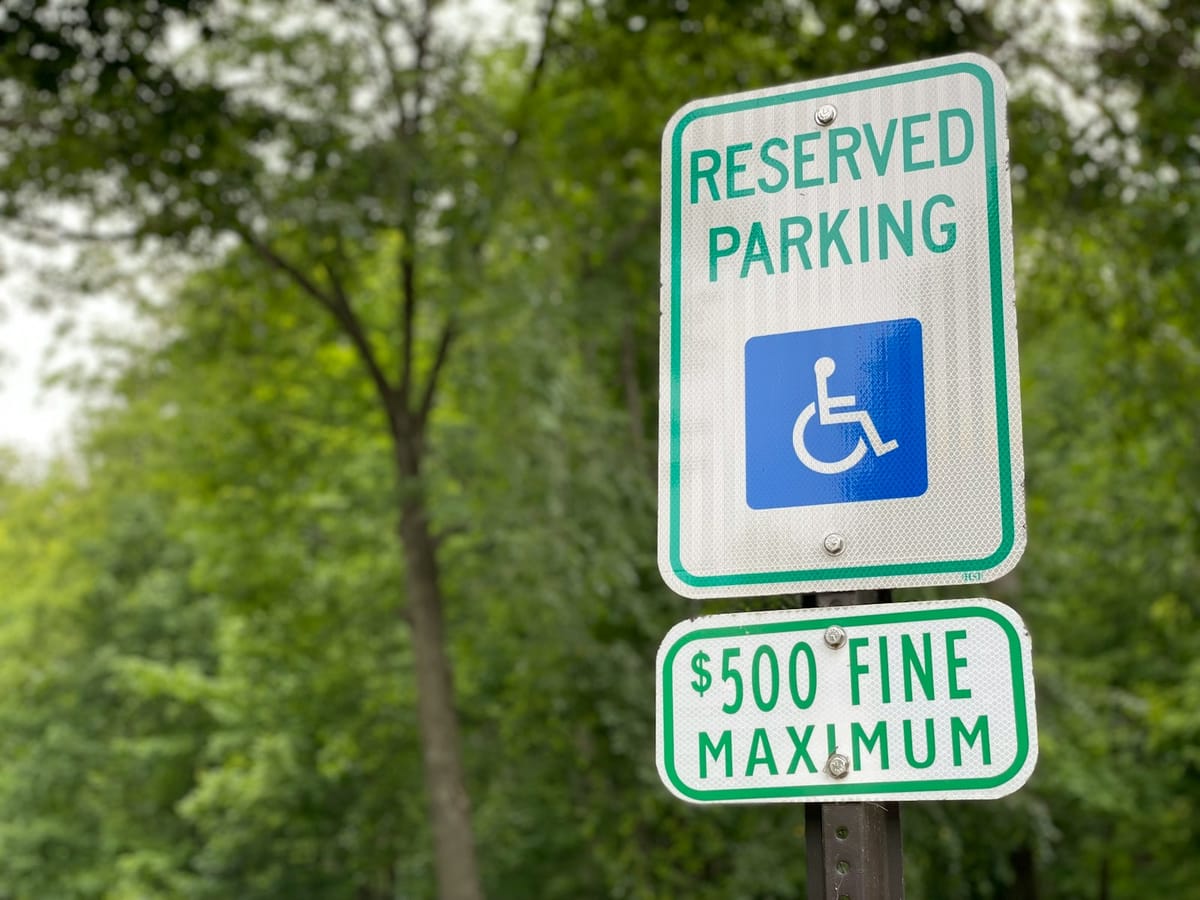
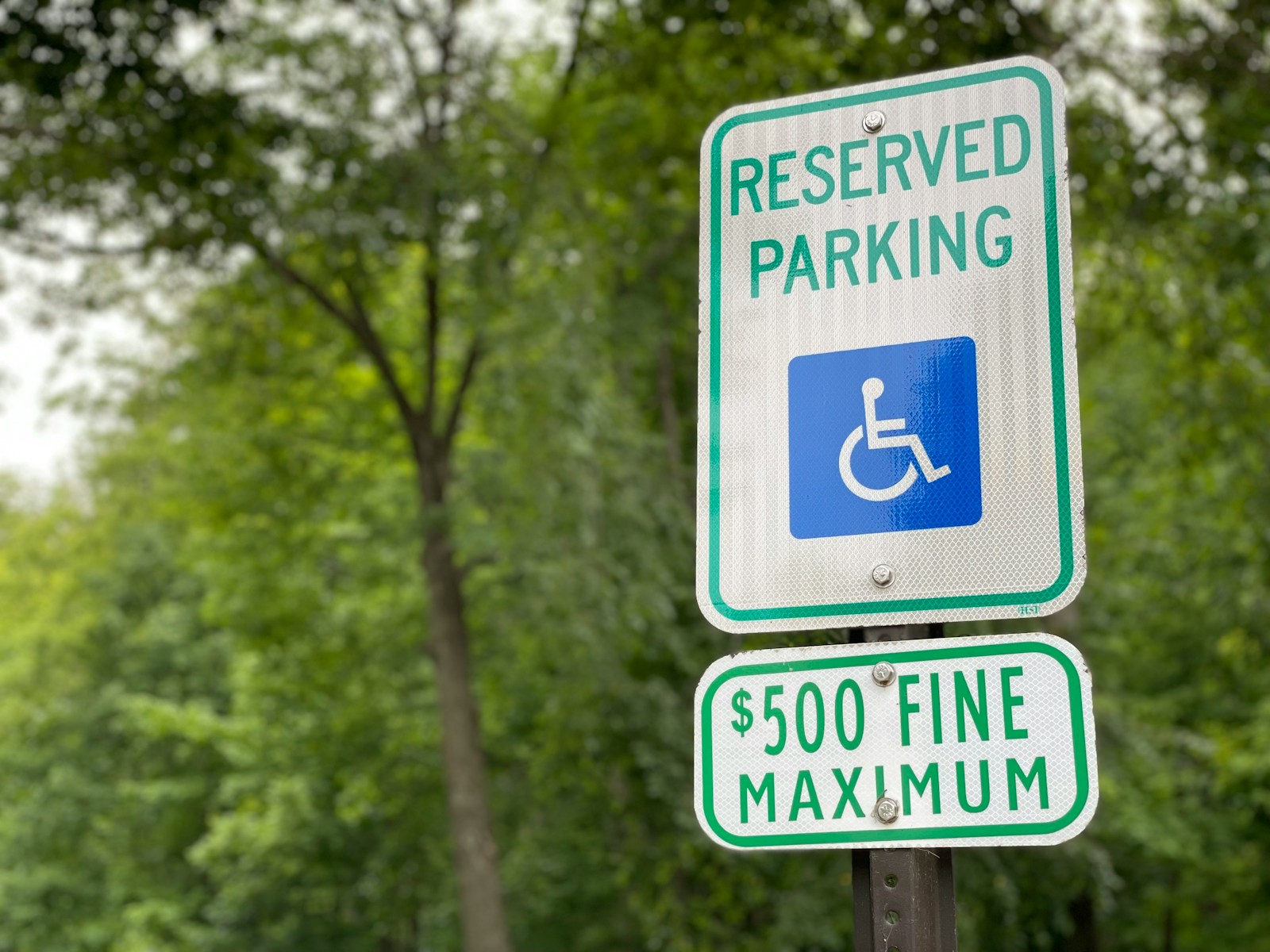
There are numerous compliance criteria in commercial buildings ownership, yet one of the least controlled spheres is parking accessibility. They are not only concerned with the issue of fairness and inclusion, but it is also the legal duty of the disability rights laws, which have their requirements that parking lots must achieve in order to accommodate disabled people. Inability to do so may result in monetary, reputational, and operational dangers that significantly exceed the price of achieving the improvements. The initial contact among tenants, customers and visitors is usually the parking space and as a result, its accessibility is very important in the overall compliance.
Parking Legal Requirements
The parking area availability is regulated by the federal and local laws which provide precise design and location requirements. They involve the number of available spaces, width of these spaces, the positioning of signage, and the slope of the pavement. The criteria are aimed at the ability of people with mobility difficulties to get in and out of the vehicles safely and move towards the building entrances without having to go through unnecessary difficulties.
In the case of commercial property owners, liability may be accrued very rapidly in the event that they do not put these requirements in place. Conformity is often checked by the inspectors and advocacy groups, and the lack of it can lead to enforcement measures. Any accessible space that is not taken or marked correctly can render a whole property to be out of order thereby paving the way to lawsuits and complaints.
Penalties Of Non Compliance
There are not only government fines as a penalty to failure to consider the parking accessibility. Individuals who are denied proper access can initiate civil lawsuits which result in costly settlements and legal fees. According to some cases, courts could require building owners to compensate and bear the expenses of retrofitting, as well as observe compliance in the future. The cost of cumulative costs can be very greater as compared to the cost of proactive upgrades.
Another threat is reputation loss in case of inaccessibility. Lawsuits or complaints give bad publicity that will reduce the tendency of tenants and customers to do business with a property. In the modern world, where inclusivity and social accountability are considered an important factor, the inability to comply with the demands of accessibility may hurt the trust of the community and the future business associations. These expensive errors can be prevented by consulting a disability lawyer Toronto, who should explain the liability and the responsibilities that the owners should follow.
Commercial Property Ownership Liability
The property owner is often held responsible in the law of ensuring the accessibility of common space and this is sometimes assumed by the owners, who have a tenant or contractor who is supposed to take care of the accessibility. Regulators and the courts usually consider the owners to be the ultimate in providing the necessary standards of the site. Failure to fulfill this obligation may cause conflicts with the regulators, as well as the tenants who want facilities that comply.
Accessible parking is something that does not happen once only. The paint gets faded, the signage gets run down, the surfaces get cracks hence the owners should carry out a regular check up and maintenance. The best approach to reduce the risk would be to treat accessibility as a continuous process and engage in showing commitment to inclusion. It can be useful to consult a disability lawyer to understand the roles and establish effective practice and law-compliant compliance plans.
Advantages Of Active Compliance
Provision of parking ease prior to the development of issues is a well-calculated investment. Liberal amenities enhance customer experience, limit liability, and attract potential tenants to properties. Most companies are eager to find places that are in compliance as this will minimize their own liability in what concerns the possibility of getting sued and helping their customers.
Besides that, active compliance is also a show of social responsibility. By their owners ensuring their property is way beyond the minimum standards, property owners send a strong message of inclusiveness to the community. This may create goodwill, brand image and create long term trust. Instead of perceiving accessibility upgrades as a cost burden, owners must perceive them as a means to insure their investment and a way of fostering a more equitable environment.