
The Hidden Dangers of Poor Foot Health in Immobile Patients


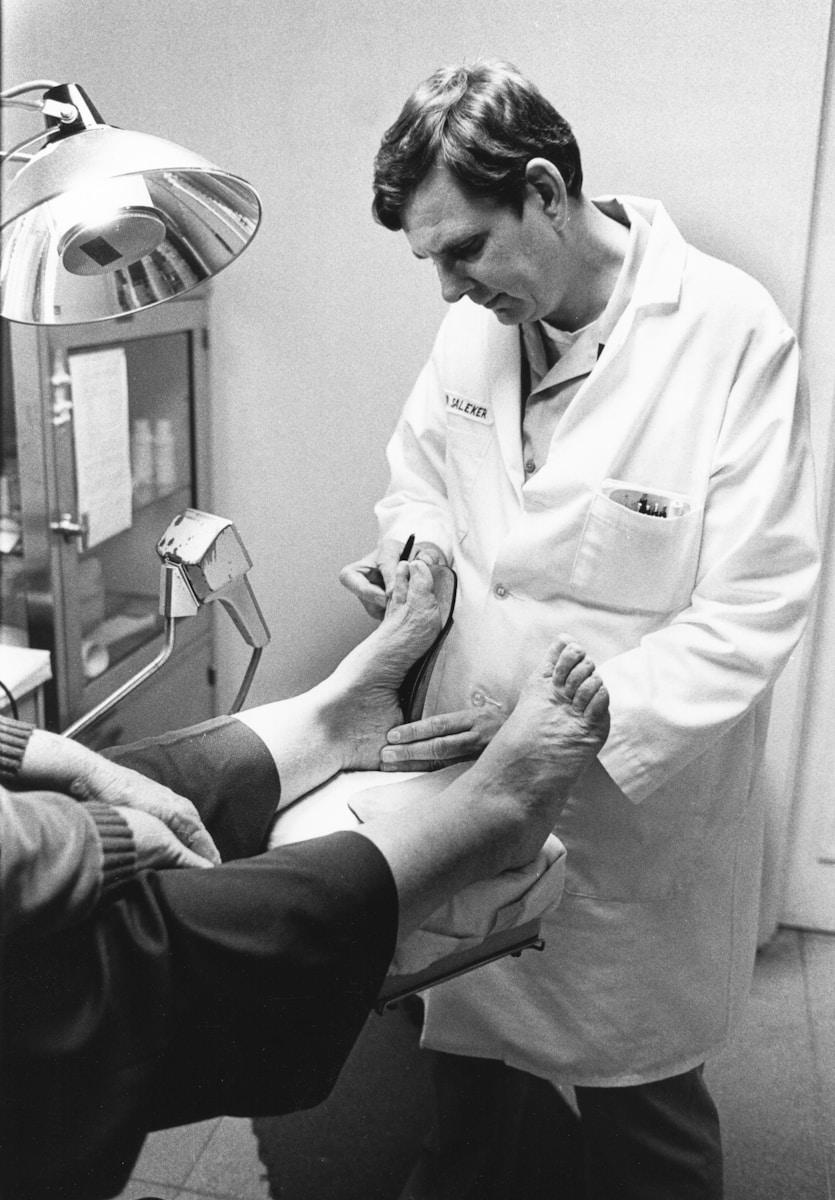
Good foot health is not always given a second thought particularly by the patients who have minimal mobility. Small foot problems may easily develop into serious health problems for people who spend most of their days sitting or use mobility aids, like wheelchairs or mobility scooters. The effect of immobility on the patients is that immobile people are at a higher risk since their feet are not getting the expected normal pressure and circulatory movement that walking offers. Even small issues like blisters or calluses could become infections or the permanent complications that influence a general well-being without receiving proper treatment.
Foot control does not only entail comfort, but it is an important aspect of avoiding bigger health concerns. Failing to consider the foot health of immobile patients can cause infections, decrease in mobility and extend time of recovery of other health problems. Medical workers and people providing care ought to understand that the health of the feet is directly connected with the overall health and that the proactive approach to its care can enhance the quality of life.
Circulation and Skin Integrity
Less circulation is one of the major risks of unhealthy feet among immobilized patients. Sitting or lying down during prolonged periods of stay can lead to the pooling of blood in the lower extremities because of the use of a hospital bed or mobility scooter. Such a loss of circulation renders the body less capable of healing minor injuries and creates a chance of getting pressure sores. Even simple abrasions on the skin may cause a serious problem when there is an inadequacy in the circulation to help in restoring the normal healing mechanisms.
Immobile patients also have a loss of skin integrity. The moisture that is brought into the feet due to the continuous stress on some parts of the foot, added with the sweat or improper hygiene, may cause infections. Especially dangerous are the fungus, the ulcers, the open sores as they can be propagated quickly and lead to systemic infections. It should be noted that to avoid these complications, it is imperative to monitor and keep the skin in a healthy condition and it will allow patients to be as comfortable as possible.
Risk and Complications of Infection
The lack of mobility and self-care problems puts immobile patients at increased risk of contracting foot infections. Minor incisions or blisters may serve as points of infection by bacteria, which may result in cellulitis or other severe infections. The untreated infections may spread to the bloodstream and may need severe medical care, which may lead to hospitalization or even surgery.
Other long-term ailments are also difficult to treat in the presence of foot infections. To take the example of patients with diabetes or vascular disease, they may have slower healing thus making infections more harmful. Foot conditions that are ill maintained could thus prolong recovery period and make patients more reliant. The immediate treatment of the foot wounds is essential to prevent any prolonged complications and preserve the overall health.
Structural Changes and Pain
Changes in the feet are frequently structural in case of immobility. Lack of movement causes muscles to weaken and the ligaments to tighten as well as stiffening of joints. Such alterations may be painful and make even routine tasks such as transferring position in the hospital beds or even mobilizing with a mobility scooter uncomfortable or tough. Foot pain may also make the patients fearful of engaging in physical therapy or any other activities that would enhance their mobility.
Secondary complications can also be caused by structural issues such as balance and risk of falls where patients get to move independently. Foot care procedures, such as frequent examinations and treatments, such as stretching exercises, can be used to prevent the worsening of the condition and decrease the risk of further injuries. Mobility and quality of life among mobility-impaired patients can be maintained with an early intervention.
Preventive Care and Support
Foot health among immobile patients can be ensured through preventive care. Many of the complications that arise due to long-term immobility could be avoided by regular inspection, good hygiene, and the use of supportive footwear or orthotics. Caregivers are supposed to be trained on how to detect early warning signs of infection, pressure sore and structural issues in order to act on time.
Moreover, the inclusion of foot care in regular medical care will make sure that patients get all-around care. The risk of complications can be reduced to a significant extent using such simple techniques as gentle foot massage to enhance circulation and keeping feet clean and dry. Foot care will allow immobile patients to continue enjoying their comfort, minimizing the risk of infection, and retaining as much mobility as they can even despite the physical constraints.