
The future of digital payments: how cryptocurrencies are reshaping online services

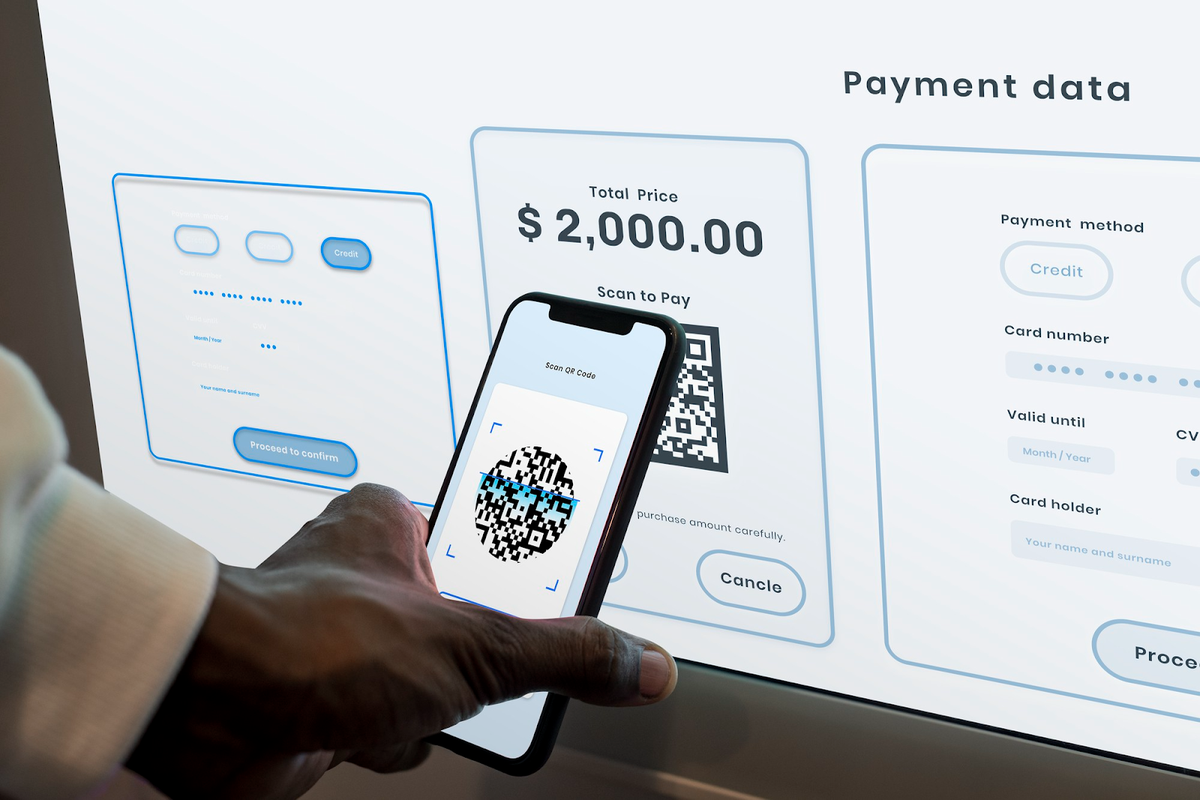
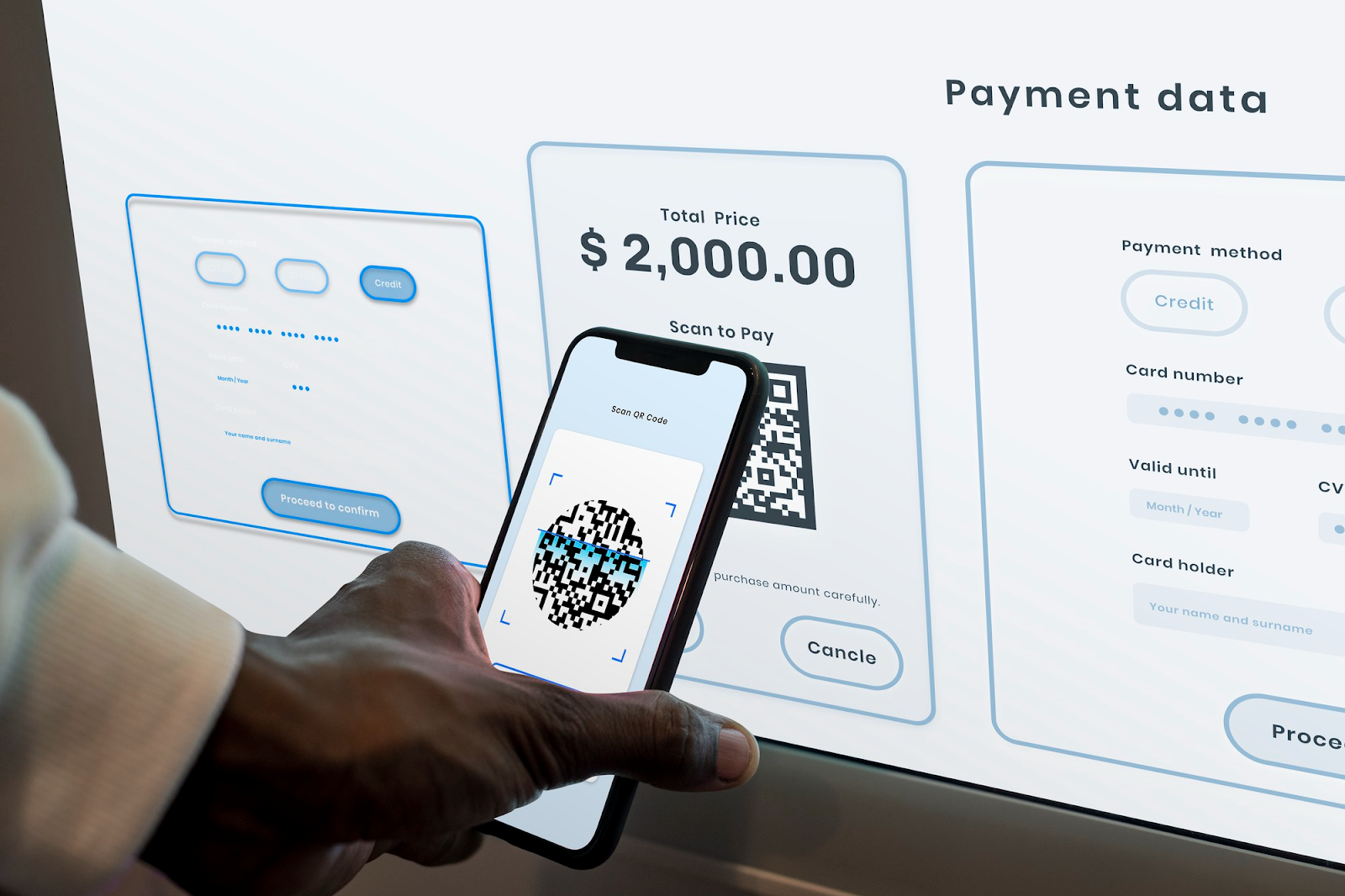
The way people pay online has shifted more in the last ten years than in the fifty years before. From contactless cards to mobile wallets, the change has been quick and widespread. Still, the strongest push in digital payments is not a new card system or a banking app. It is cryptocurrency, and Bitcoin continues to play a leading role in this shift.
For many users, the first step into this new economy is finding a trusted website where they can buy BTC safely and quickly. Once that step is taken, the use of digital assets in daily life becomes much easier to imagine.
Why Bitcoin still matters
Bitcoin is often called digital gold, and the comparison makes sense. It is limited in supply, decentralized, and resistant to control. While thousands of other cryptocurrencies have appeared, Bitcoin still leads in both market value and cultural impact. Companies that once ignored it are now adding BTC payments to their services. From online shops to travel platforms, Bitcoin has become a valid payment choice.
The rise of crypto in online services
Online services are changing to meet the needs of a generation that values speed, openness, and global reach. Cryptocurrency fits these needs well. Payments can be finished in minutes without the delays of traditional banks. For freelancers working with clients abroad or gamers buying digital items, crypto offers a level of ease that fiat money often cannot provide.
At the same time, blockchain adds trust. Every payment is recorded on a public ledger, lowering the chance of fraud and raising accountability. This openness is one reason why fintech startups and established companies are testing crypto solutions.
Web3 and the next phase of payments
The talk about digital payments is no longer only about Bitcoin. Web3, a decentralized vision of the internet, is pushing things further. In this model, users control their data, identity, and assets. Payments are not just transfers but part of a wider network of decentralized apps.
Imagine subscribing to a streaming service where your crypto wallet manages both login and payment. Or joining a marketplace where you can buy and sell digital goods without middlemen. These examples are not fiction. Developers worldwide are already testing and improving them.
Challenges on the road ahead
The move to broad adoption still faces hurdles. Rules are unclear, scaling is a problem, and environmental impact is debated. Governments are still deciding how to classify and tax cryptocurrencies. Developers are building tools like the Lightning Network to make bitcoin payments faster and cheaper. At the same time, the industry is working on greener methods to cut energy use.
Even with these issues, progress is clear. Each year brings new partnerships, stronger systems, and more public interest. The question is no longer if cryptocurrencies will affect digital payments, but how deeply they will shape the financial system.
Conclusion
Digital payments are stepping into a new stage. Bitcoin and other cryptocurrencies are not only speculative assets but also practical tools that change how people use online services. For users, the journey often starts with choosing a trusted website to buy BTC. For companies, it means rethinking payment systems to meet the needs of a digital‑first generation.
The future of payments will be faster, clearer, and more global than before. And at the core of this change is a simple idea: money, like information, should move freely across the internet.