Maximizing Value: How to Compare International eSIM Providers and Plans

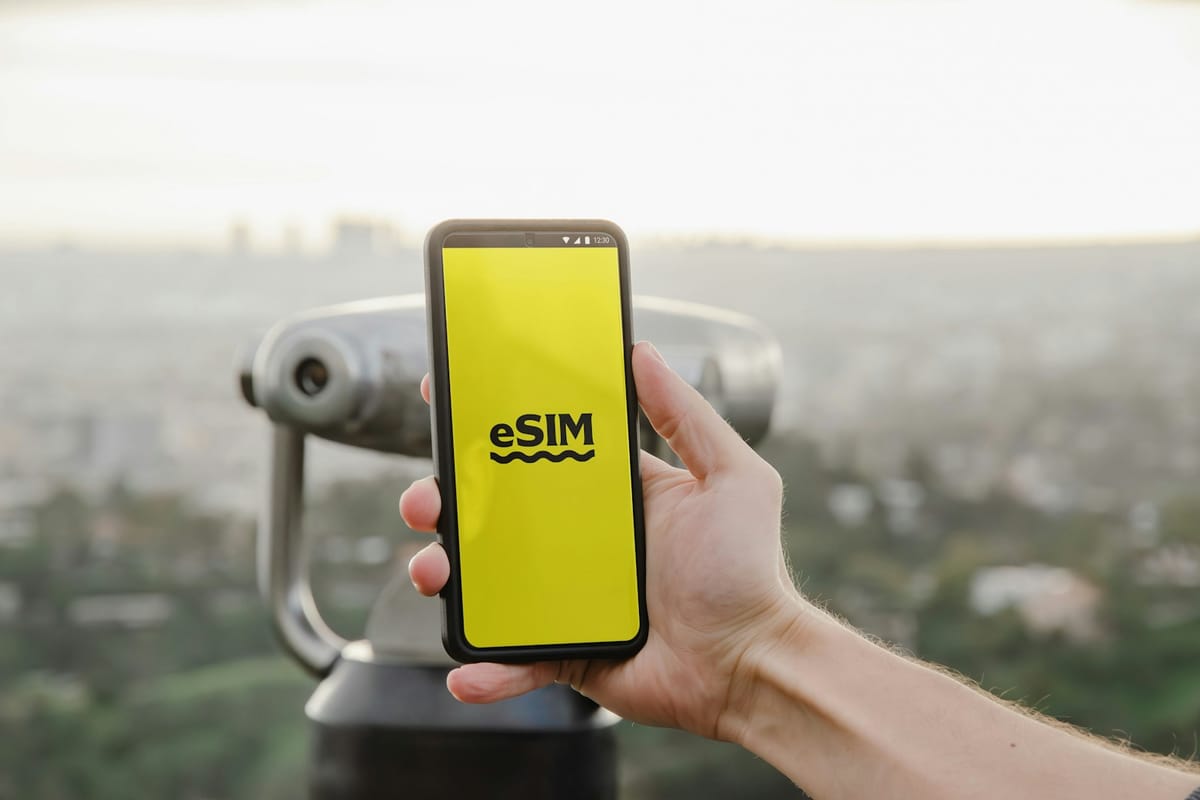
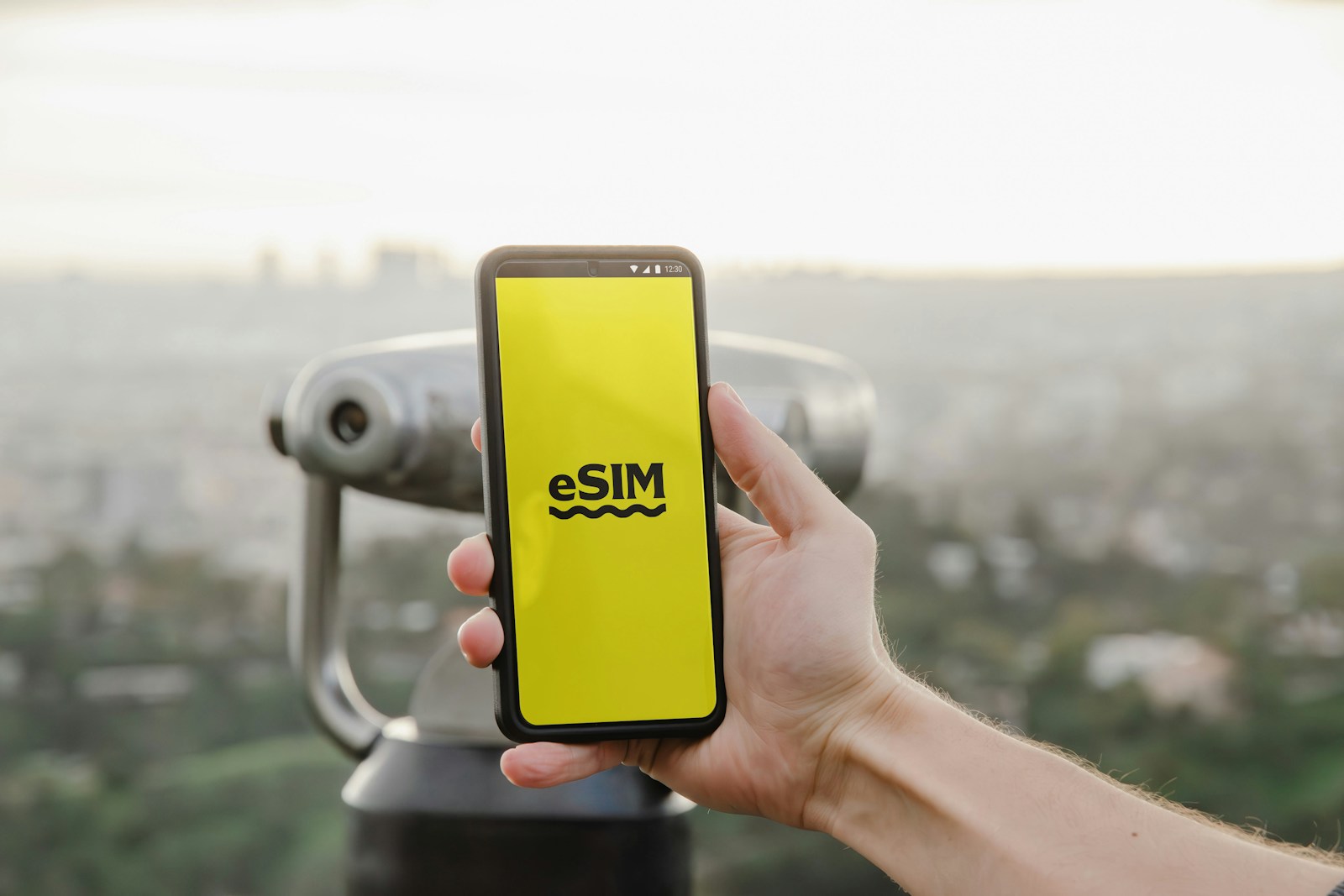
The emergence of the global eSIM technology has transformed the communication process of travellers in different countries. It is no longer necessary to search local SIM cards or suffer high roaming fees by home carriers. The benefits of an international eSIM are that it allows immediate connection without the physical limitation of physical SIM cards. But as more providers enter the market, deciding on the best international eSIM plan must be preceded by a careful consideration of many factors to make sure that you get the best value to suit your particular requirements.
Understanding International eSIM Fundamentals
It is important to comprehend the essence of an international eSIM before going into the comparison. As opposed to the standard SIM cards, an international eSIM is printed directly into your gadget and can be activated remotely. The technology enables the interchange of the various carrier plans without physically changing cards; hence it is best suited to the frequent traveller or the individual with the need to have connectivity in more than one country.
The main benefit of international eSIM is its flexibility and convenience. One can buy and enable plans prior to traveling and will have connectivity as soon as they reach their destination. This removes the stress of seeking local carriers, language barrier or network compatibility in the foreign countries.
Coverage Area Assessment
Coverage area is the most important aspect of comparing international eSIM providers. Not every international eSIM plan will have an equal geographical coverage, and the quality of coverage may vary greatly depending on the provider and areas. In looking at coverage, it is important to look at the coverage in terms of the number of countries covered as well as the depth of network partnership in each country.
Other global eSIM operators target the most popular tourist locations and have great coverage in urban areas but poor coverage in the countryside. Some will cover a wider geographical area at a lower quality of network in different geographical areas. It is essential to study the particular countries you are going to visit and make sure that your international eSIM provider delivers a stable connection in these places.
Also, look at the network arrangements that the various providers have. Those providers that have interconnections with tier-one carriers in every country tend to provide higher speed and reliability than those providers that rely on secondary network interconnections. This aspect is of great significance when you require regular connectivity in terms of business or necessary communications.
Data Allowances and Speed Considerations
Another important comparison factor of international eSIM plans is data allowances. The providers have different packages of data that range between the bare minimum plans that can be used in basic communications to the unlimited packages that can be used by individuals who consume a lot of data. Before making an informed decision, it is necessary to understand the nature of your data consumption.
Think about how you use data in most of your travels. A lower data allowance can be enough in case you mainly want to use connectivity to access messaging, email, and to surf the web every now and then. But in case you use video calls, streaming services, or cloud-based applications, you will require more liberal data plans. Certain international eSIM providers have varying speeds and you may get full-speed data to a threshold after which you get throttled speeds.
Another factor that is worth considering is speed consistency between the countries. Although a provider may be advertising high speeds, this may only be in selected markets. Look up real world speed tests and user experiences in your target destinations to be realistic about performance.
Pricing Structure Analysis
The pricing of international eSIM services differs quite significantly among the providers, so it is hard to make direct comparisons. Some providers provide flat-rate charges to a particular area, whereas others follow a tiered rate that is determined by the amount of data used or the number of hours of use. It is important to know these various pricing models to maximize value.
Regional plans are usually more economical when it comes to those who are travelling to more than one country in an area, e.g. Europe or Southeast Asia. Such global eSIM plans can also save a lot of money by not having to buy a country-specific plan. But when it comes to travelling within one country or two, country-specific plans may be more cost effective.
Watch out on other charges which may not be obvious at first. Activation fees are charged by some providers whereas others have hidden costs associated with some forms of data usage. Additional features such as the ability to use hotspot or place voice calls may also be subject to fees which may severely affect the value proposition.
Plan Flexibility and Duration Options
The flexibility of the plan length and opportunities of changing it can have a considerable influence on the value of an international eSIM. There are providers that have fixed plans with fixed durations that cannot be changed once activated and those that are flexible and can be extended or changed according to the changing traveling requirements.
Think about whether the provider gives an opportunity to change the plan during the journey. When your travel plans have to be prolonged suddenly or you realize that you require more data than you initially expected, the opportunity to adjust your international eSIM plan without having to lose your connection may prove to be priceless.
Activation Process and Technical Support
Your international eSIM experience can be determined by how easy it is to activate and how well the technical support is. The activation process is simplified so that you can connect within a short time, and the customer support is reliable such that you can get peace of mind when you encounter problems in foreign countries.
Compare the mechanism of activation of each provider. Different ones can be activated instantly by mobile apps, or manually configured or activated via email codes. Think about your technical comfort level and select a provider that the activation process suits your competencies.
Conclusion
Make a weighted scoring system on what you prioritize when comparing international eSIM providers. In case you are more concerned with coverage, then you should put more emphasis on it than on the price. To cost-sensitive travellers, the cost may be a priority over the premium.
It is worth considering drawing up comparison tables with all the factors taken into account: the area of coverage, amount of data, prices, plan versatility, ease of activation and quality of support and this will keep you organized so that you do not miss out on crucial information that might affect your experience.