How to Predict Busy Periods and Pre-Prep Accordingly For Food Businesses

Good kitchen operations are necessary in any restaurant that aims at offering quality services in time. How to cope with the high demand without overworking employees and losing consistency is one of the main issues. Proper forecasting of high traffic and planning ahead will enable the restaurant managers to simplify the working processes, eliminate stress on the kitchen personnel and lessen wastages. The knowledge of the trends in customer behavior, coupled with intelligent application of technology, helps the kitchens to operate more efficiently even during the peak season. This paper will discuss the effective tactics to foresee the high traffic times and prepare in advance.
Comprehending Customer Trends
Examining past sales records is an important initial move towards forecasting the seasons of high traffic. The daily traffic is usually fluctuating in most restaurants depending on the day of the week, holidays, and special events. Through the analysis of past trends, managers will be in a position to know when things are at peak and which menu items are most demanded during the times. Such understanding enables the kitchen staff to distribute resources in the most economical way, so that the correct ingredients are prepared and employees are scheduled accordingly.
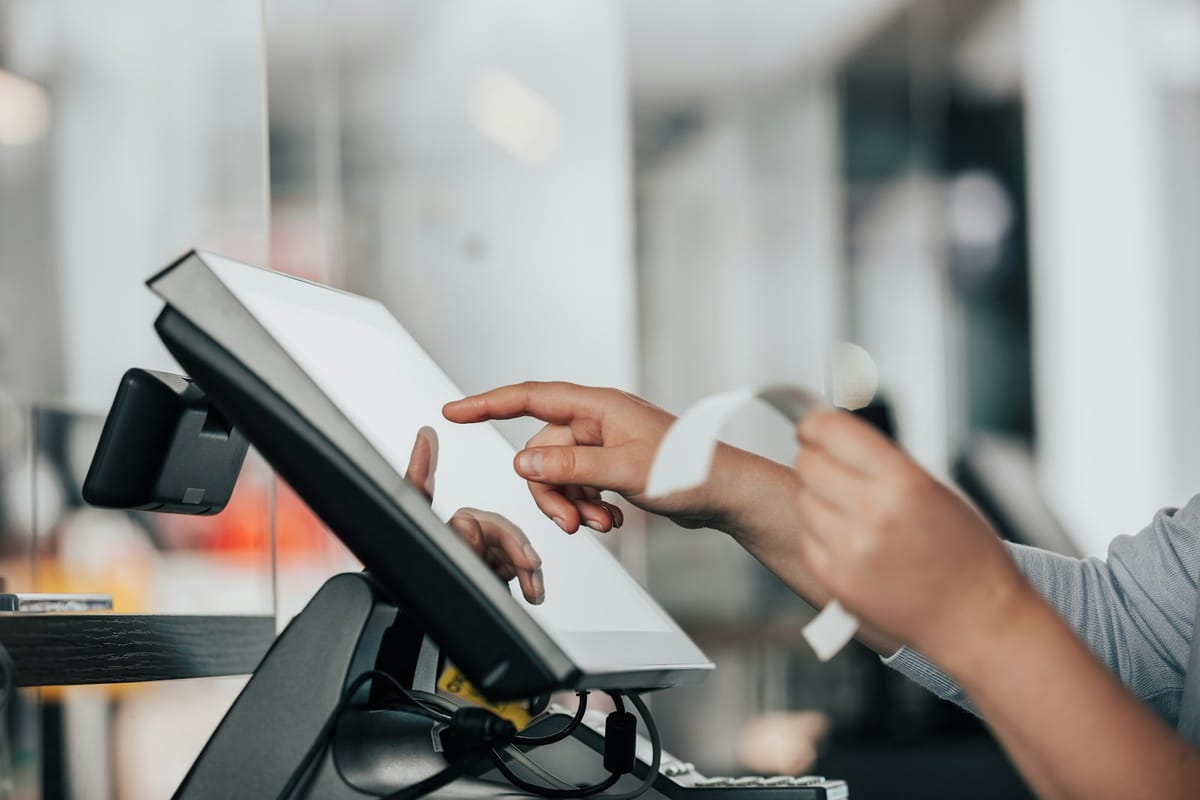
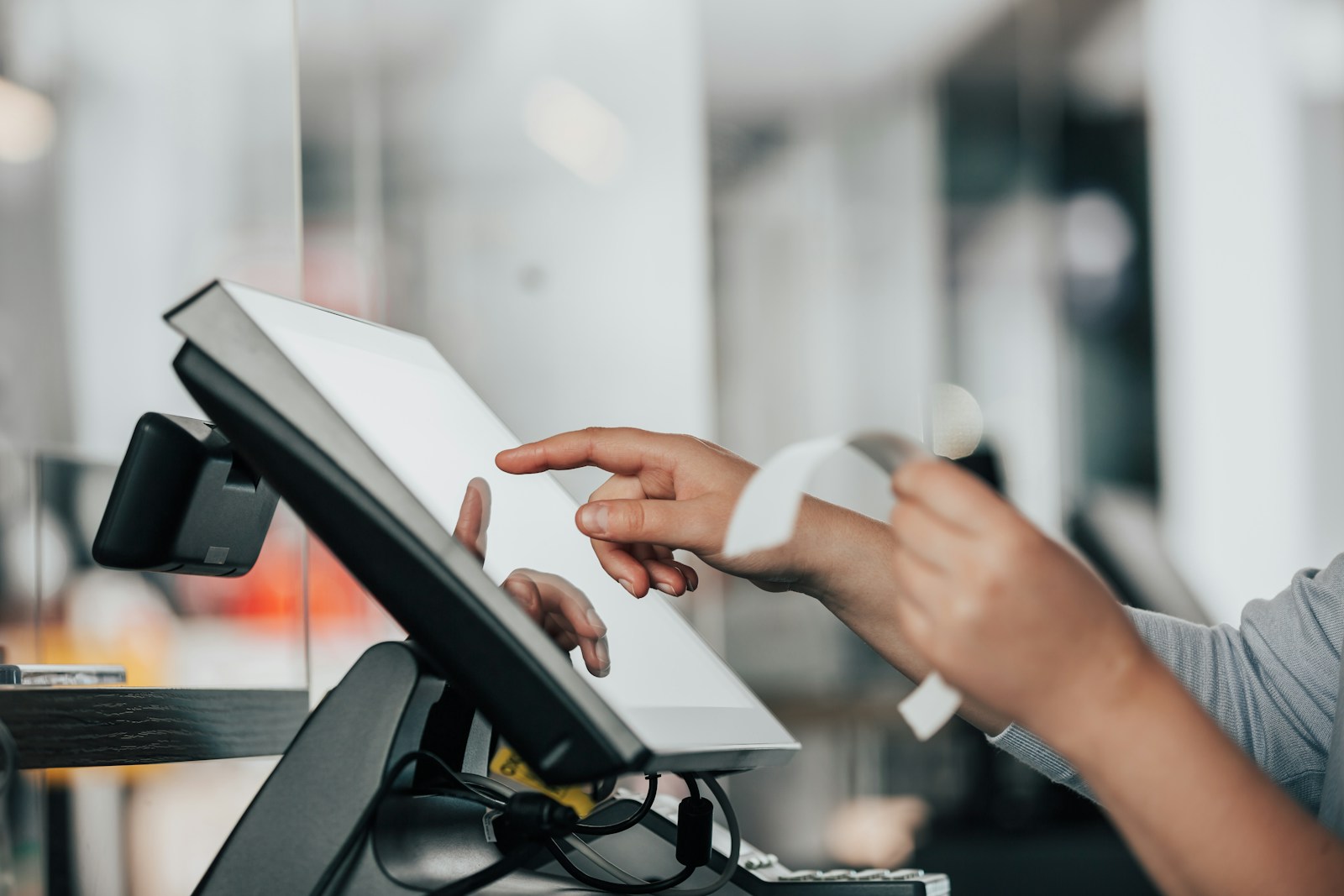
This is also done by monitoring customer behavior other than just the sales in order to predict busy periods. Dining traffic may depend on local events, weather patterns and schedules of the community. Taking into consideration the information provided by the restaurant POS system and being aware of the local trends, the managers can be more likely to predict the sudden demand increase. Such preemptive strategy reduces the chances of delays and enhances the general customer experience.
Planning Pre-Preparation
Another important element of keeping the kitchen efficient during the rush hours is pre-preparation. The advanced preparation of ingredients, sauces and other aspects can help the chefs to save time when assembling dishes as orders are high. This, in addition to accelerating service, minimizes the chance of error. The pre-prep plans should be based on goods that are in demand or those that require a long time to prepare so that the kitchen will work smoothly without overloading the employees.
The use of pre-prep should be carefully planned and coordinated in the kitchen. It is important to allocate particular tasks to employees and create a clear workflow to make sure that the pre-preparation is held on a regular basis and in an effective manner. A kitchen display system can also be included as an addition to improve the coordination, as it will give real-time updates on the orders and preparation status. This technology would enable employees to prioritize the tasks which are most critical and also prevent duplication of effort.
Leveraging Technology
The modern technology is helpful in forecasting the busy periods and enhancing the pre-preparation. The restaurant POS system is able to give more detailed reports about the frequencies of orders, hours with the highest order quantity, and menu items that are popular. Analyzing this information, managers will be able to predict the high-demand periods more precisely. The information is also used in decision making regarding the inventory, staffing and menu modifications in order to maximize the performance of the kitchen.
Kitchen display systems are used to supplement these insights by facilitating communication and control of tasks in the kitchen. Once the orders are sorted and prioritized automatically, chefs do not need to check the paper tickets or verbal orders so that they can concentrate on preparation. This is through the integration of technology whereby the pre-prep activities are synchronized with the real-time demand which minimizes delays and enhances the overall performance of the kitchen.
Perpetual Observation And Revision
The process of predicting busy periods is not a one-time activity but an activity that should be performed continuously. Restaurants must frequently re-examine their sales data, customer responses and operational performance so as to get a better forecast. This constant check will enable managers to modify the pre-preparation strategies as the trends change so that the kitchen can be responsive and efficient.
Another way that staff input is useful is by stimulating the process of predictions and preparations. Patterns or challenges that might not stand out clearly in the data are usually identified by the kitchen teams. Through an established culture of feedback and cooperation, restaurants are able to streamline work processes, avoid stresses in times of peak demand and ensure consistency. In the long run, such practices will lead to a stronger and more efficient kitchen atmosphere.
Pre-preparation planning and predicting the periods when the business will be at the peak is crucial to keeping the restaurant kitchen efficient. Through customer pattern analysis, use of technology and continuous improvement of strategies, managers are able to have smooth operations even in the peak periods. Pre-prep ensures lesser stress, less error and assists in ensuring high quality service. By using a restaurant POS system and a kitchen display system together, restaurants can obtain a foresight and coordination rather important to the overall performance.