How to Get Started in Digital Marketing


If you’re online in any capacity, you’re already part of the digital marketing ecosystem. From YouTube ads to social media content and search results, digital marketing shapes almost every click and scroll. With businesses moving more of their operations online, the demand for skilled marketers has never been higher. According to the Bureau of Labor Statistics, marketing manager roles are projected to grow 8% from 2023 to 2033, faster than the average across all occupations.
So, how do you get started in the fast-growing field of digital marketing? Let’s break it down.
What Is Digital Marketing?
At its core, digital marketing is about using the internet and digital technologies to promote products, services, or brands. Unlike traditional marketing, which relies heavily on TV, print, or radio, digital marketing meets people where they already spend most of their time: online. It’s not just about selling; it’s about creating meaningful connections with audiences, building trust, and delivering value in real time.
Digital marketing takes many forms, and businesses often combine multiple strategies to create a comprehensive online presence. Some of the most common include:
● Social media marketing – This is more than just posting pretty pictures on Instagram. Social media marketing involves building communities, engaging with followers, running targeted ad campaigns, and collaborating with influencers. Platforms like TikTok, LinkedIn, and Facebook give businesses direct access to their target demographics, making it possible to generate awareness and sales with relatively low upfront costs.
● Email marketing – Despite being one of the oldest digital tactics, email marketing remains one of the most effective. From personalized drip campaigns that nurture leads over time to newsletters that keep customers informed, email is a direct line of communication with your audience. Tools like HubSpot, Mailchimp, and Klaviyo allow marketers to segment audiences, test subject lines, and automate workflows for maximum impact.
● SEO (Search Engine Optimization) – Search is often the first step when someone is looking for information or a product. SEO ensures that a brand’s website content appears near the top of search engine results pages (SERPs). By optimizing for keywords, improving site speed, and creating relevant, authoritative content, marketers can drive long-term organic traffic without constantly paying for ads.
● Content marketing – Blogs, videos, podcasts, infographics, and even memes fall under content marketing. The goal is to provide information, entertainment, or solutions that align with what your target audience cares about. For example, a SaaS company might publish tutorials and guides, while a lifestyle brand might focus on
Instagram reels that showcase how their products fit into daily routines.
Together, these channels work like the gears of a machine—constantly turning to keep a brand visible and relevant. Digital marketing is now the backbone of customer acquisition and retention, helping companies not only reach new audiences but also build lasting loyalty.
Skills You’ll Need to Succeed
Digital marketing is a field where creativity meets technology. To succeed, you’ll need a balance of technical expertise and soft skills that help you navigate collaboration and strategy.
Technical Skills
● SEO and SEM strategy: It’s not enough to simply publish content—you need to understand how people search for it. Strong SEO skills help brands show up in search organically, while SEM (paid search advertising) allows marketers to bid on keywords and appear in sponsored placements. Together, they form a powerful visibility engine.
● Social media proficiency: Each platform has its own rules, culture, and algorithms. A marketer who excels on TikTok may need an entirely different approach for LinkedIn. Understanding how to tailor content, analyze engagement, and manage paid campaigns is critical.
● Email marketing tools: Email platforms like Mailchimp, HubSpot, or Salesforce Marketing Cloud allow you to personalize outreach, automate sequences, and analyze what’s working. These tools ensure communication is consistent, targeted, and measurable.
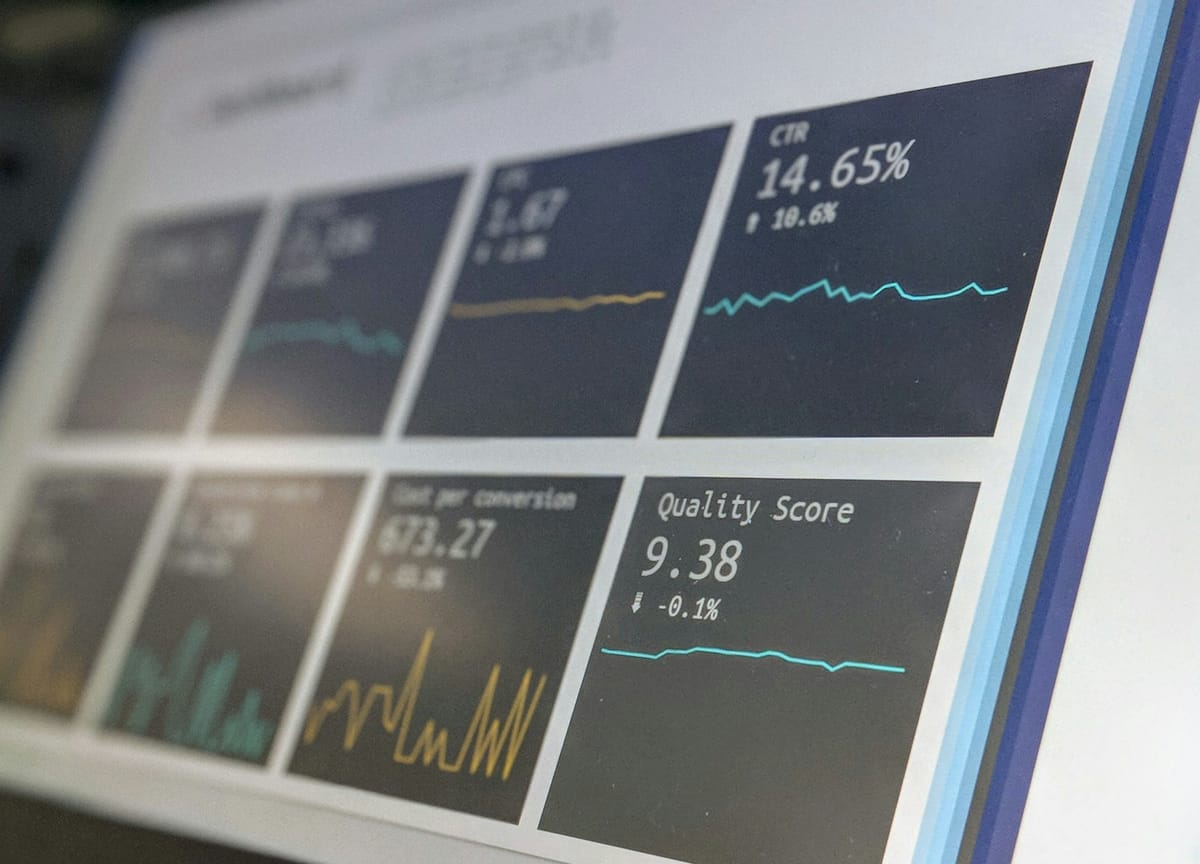
● Marketing analytics: Numbers tell the story of whether a campaign succeeds. From Google Analytics dashboards to AI-driven insights, marketers need to track KPIs, measure ROI, and identify opportunities for improvement.
● Marketing technology (MarTech): Today’s marketers often juggle multiple tools—CRMs for managing leads, CMSs for publishing content, and automation platforms for scaling outreach. Knowing how to connect these systems is invaluable.
Soft Skills
● Content creation and copywriting: Words and visuals are what audiences see first. Being able to craft compelling headlines, engaging posts, and clear calls-to-action can make the difference between a campaign that converts and one that falls flat.
● Strategic thinking: Digital marketing isn’t about random posts—it’s about building campaigns that align with business goals, customer journeys, and measurable outcomes.
● Analytical mindset: Beyond creativity, marketers must interpret data to refine tactics. Spotting patterns in campaign performance allows for smarter decisions and higher returns.
● Communication and collaboration: You’ll often work with designers, developers, product managers, and executives. Explaining ideas in a way that resonates across technical and non-technical teams is key.
● Adaptability: The digital world changes fast. Today it’s TikTok; tomorrow it might be another platform. Great marketers stay agile and continuously learn new approaches.
Education Pathways
Unlike some professions, digital marketing doesn’t have a single “correct” entry point. The path you choose depends on your long-term goals, budget, and learning style.
● Traditional degrees: Many marketers study communications, business, or marketing at universities. This path can open doors to leadership roles, especially in corporate environments where degrees are often a requirement for management positions. Advanced roles like Chief Marketing Officer (CMO) often value formal education combined with experience.
● Bootcamps and certifications: For those who want to learn quickly and focus on practical skills, bootcamps and certifications are a great option. Whether it’s Google Ads certification or a digital marketing bootcamp, these programs are designed to make you job-ready in a matter of months.
● Online courses: Flexible, cost-effective, and constantly updated, online courses (like the courses on Udemy) allow learners to build specific skills such as SEO, social media strategy, or data analytics at their own pace. This option is perfect for career changers or professionals looking to upskill without leaving their current job.
The right choice depends on your situation. If you’re aiming for a long-term career in marketing leadership, a traditional degree may give you an edge. But if you’re testing the waters or looking to pivot quickly, certifications and online courses are often the fastest and most practical route.
Why Now Is the Time to Start
Digital marketing isn’t just another career option—it’s one of the most future-proof fields available. The industry offers:
● High demand: From small startups to multinational corporations, every business needs a digital strategy. That means digital marketers are in demand across nearly every sector.
● Flexibility: Many digital marketing roles can be done remotely or in hybrid environments, making it easier to balance work with personal life.
● Career mobility: The skills you learn—analytics, storytelling, communication—are highly transferable. You could start in SEO and move into product marketing, or begin in social media and grow into brand strategy.
The digital space is only expanding, and with AI and automation adding new opportunities, there’s never been a better time to invest in building digital marketing skills.