How to Ensure Accessibility in 3D Medical Animations for Diverse Audiences

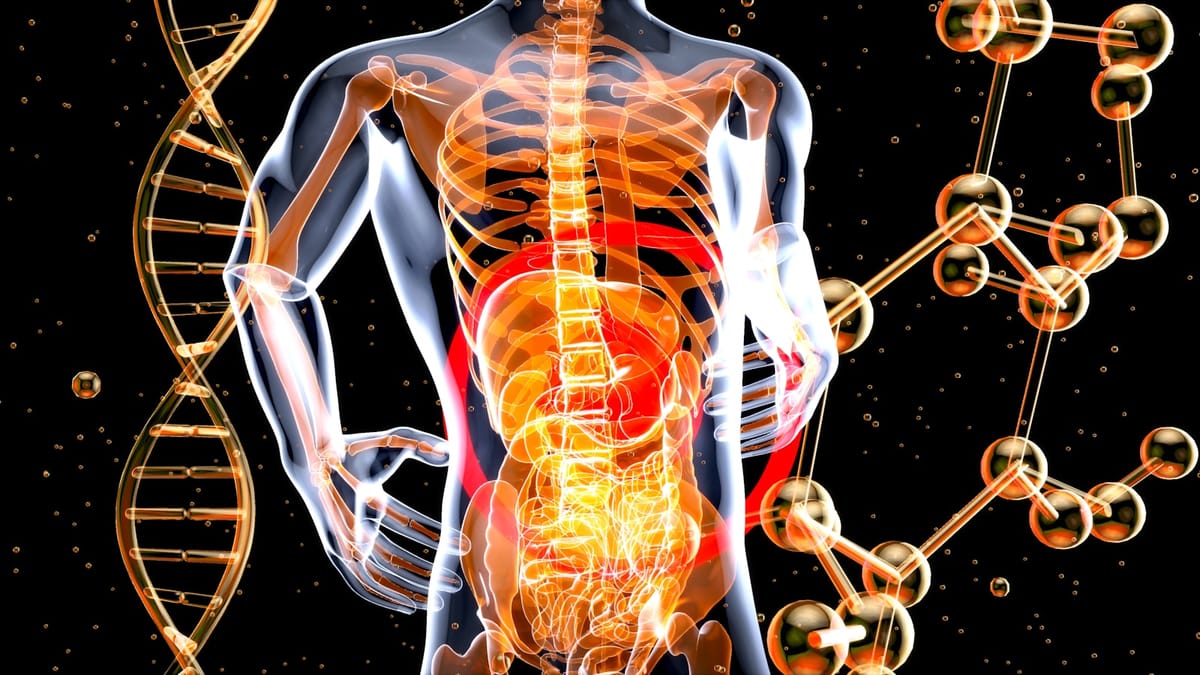
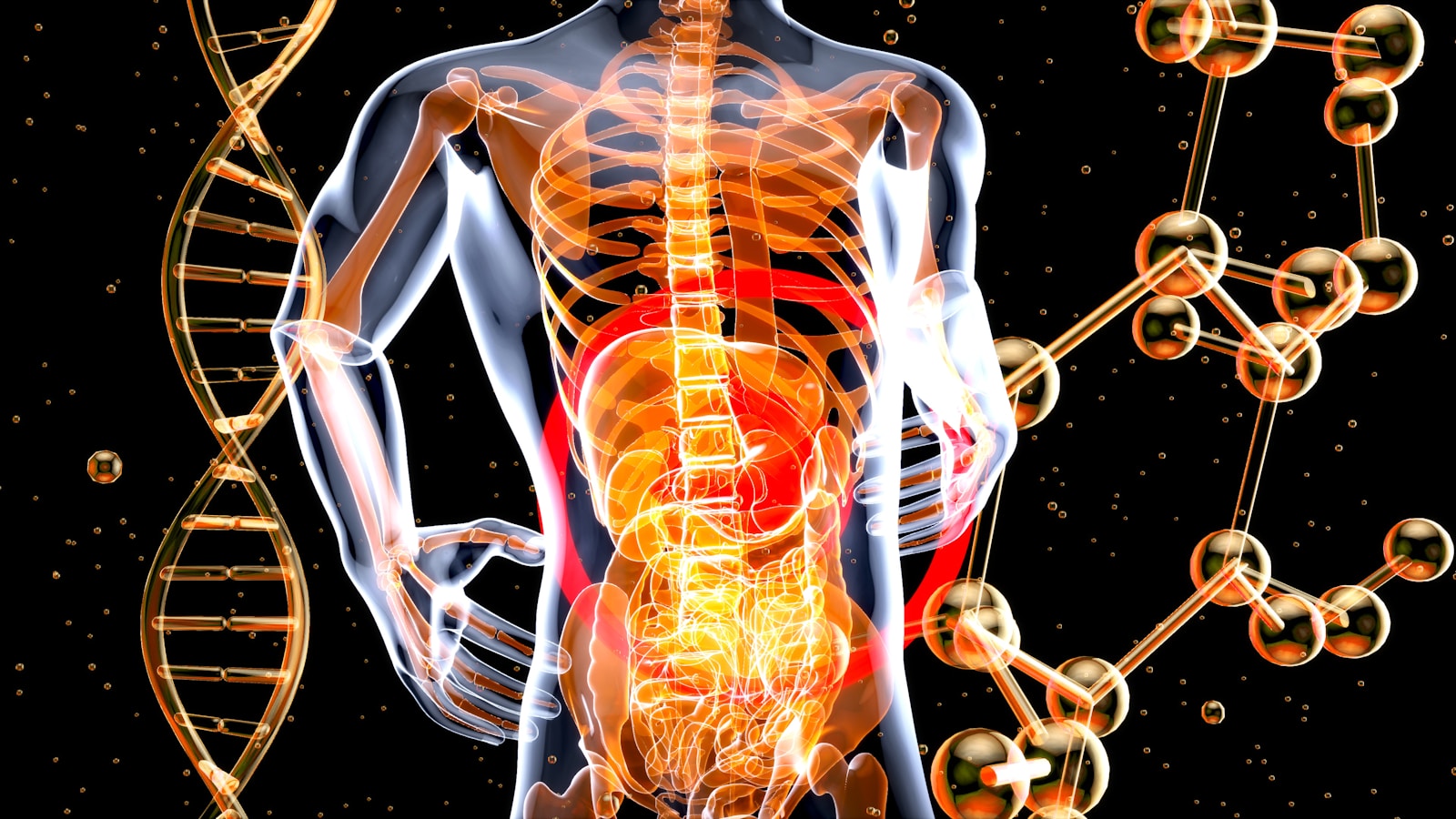
Communication in healthcare should be clear, trustful, and inclusive. Due to the emergence of 3D medical animations, companies are now armed with formidable options to depict complicated medical procedures to the patients, employees, and interest groups. Nevertheless, it should be user-friendly in order to make such animations useful to everyone. The concept of accessibility is not limited to physical disabilities but includes language as well as cultural disparities and differences in health literacy. This is achievable by making inclusive and considerate animations that will help healthcare businesses to reach more people and develop their credibility.
The Significance Of Accessibility
The issue of accessibility in medical animation is not about compliance. It is concerning ensuring that information is presented in a manner that proves to be credible and comprehensible by individuals regardless of their abilities and backgrounds. This is applicable to patients who have visual or hearing disabilities, patients who do not necessarily speak the main language of the animation and those who possess less knowledge of the medical field.
Accessibility is critical to health care business because ignoring it means putting barriers in the way of understanding, thus resulting in confusion, mistrust or disengagement. Making it accessible fosters a feeling of inclusion and respect and shows that all patients and stakeholders are appreciated. It can also assist the businesses to have a professional image and shine in a competitive healthcare market.
The Role Of Clear Design
A clear design is one of the best means to make medical animations available in 3D. The viewers are overwhelmed with visual clutters or unwarranted complexity, not to mention that some of them might have a problem with medical concepts in the first place. Presenting the visuals in a neat way, with a similar color scheme, and important structures emphasized simplifies the message.
There should also be design considerations that enable the sightless audiences. The high contrast, the absence of problematic color combinations, and scaled visuals can be used to engage the people with low vision in the content. Simplism in animation and balance between realism and simplicity means that the animation conveys medical accuracy but is not made inaccessible.
The Necessity Of Cultural And Language Preconceptions
The healthcare companies tend to have international audiences and the 3D medical animations should have that consideration. Even the most refined animations may be decreasing when it comes to language barriers. Making subtitles, scripts, and other labels on the screen be translated into various languages is a necessary step toward achievement of accessibility.
Cultural sensitivity is an issue, too. The medical images must not contain any image that might be misunderstood or off-putting the members of a particular group. By taking into account the cultural viewpoint in creating characters, body representation, or environment, animations are respectful and inclusive. Such detail also demonstrates to the audiences that the business cares about their identity and experience.
The Price Of Audio And Text Support
The use of sound and text collaborate to ensure medical animation is more accommodating. In the case of listeners with hearing impairments, the inclusion of closed captions or elaborate subtitles would be necessary so that listeners do not miss what is being said. Where possible, captions must be timed well and devoid of medical jargon in order to be easily followed.
Meanwhile, the properly organized voiceovers enhance the understanding of the viewers who might not be good readers or focus on sound as a source of information. It can be done by using a calm and clear voice and simple explanations that will keep the audience interested. The availability of audio and text generates several access points to the knowledge, which reinforces its accessibility in general.
The Purpose Of Evaluation And Feedback
Even the most well-planned animation can never be so accessible before it has been tested on a real crowd. By asking the patients, medical workers, and people with disabilities, one would get a chance to have feedback that would not otherwise be considered. The testing points out where additions can be made and the animation fulfills its purpose of effective communication.
Making things accessible is not a one-step process. Medical animation must be checked and updated on a regular basis as technology and the needs of the audience change. This attitude towards constant improvement shows that there is accountability and concern, which fortify the relationship between health care companies and their followers.
It will take a conscious effort to ensure accessibility in 3D medical animations, yet this is a necessary part of effective health care communication. Healthcare businesses can produce content that appeals and connects with different audiences through the use of clear design, the inclusion of supportive audio and text, understanding cultural and language variations, and seeking feedback regularly. The accessibility enhances trust, elimination of barriers, and fair and effective sharing of medical knowledge with all in need of it.