How to Calibrate Your Digital Coffee Roaster for Accuracy

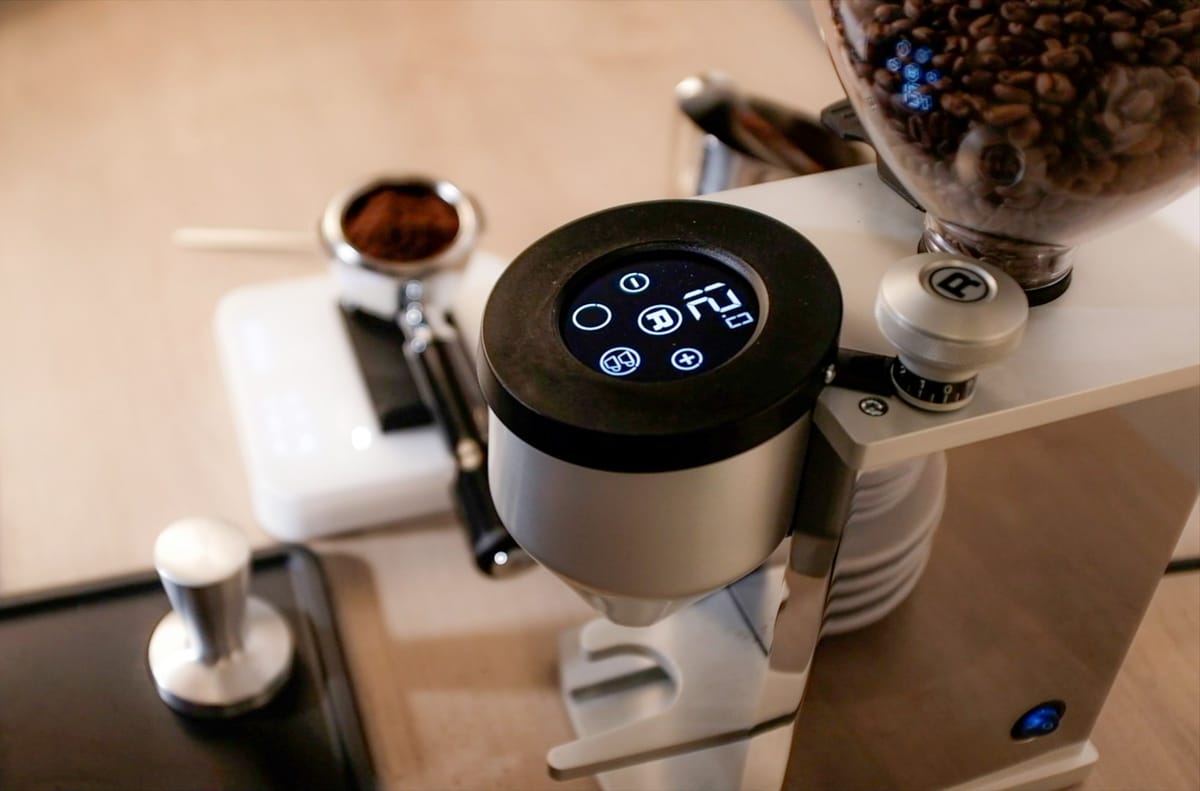
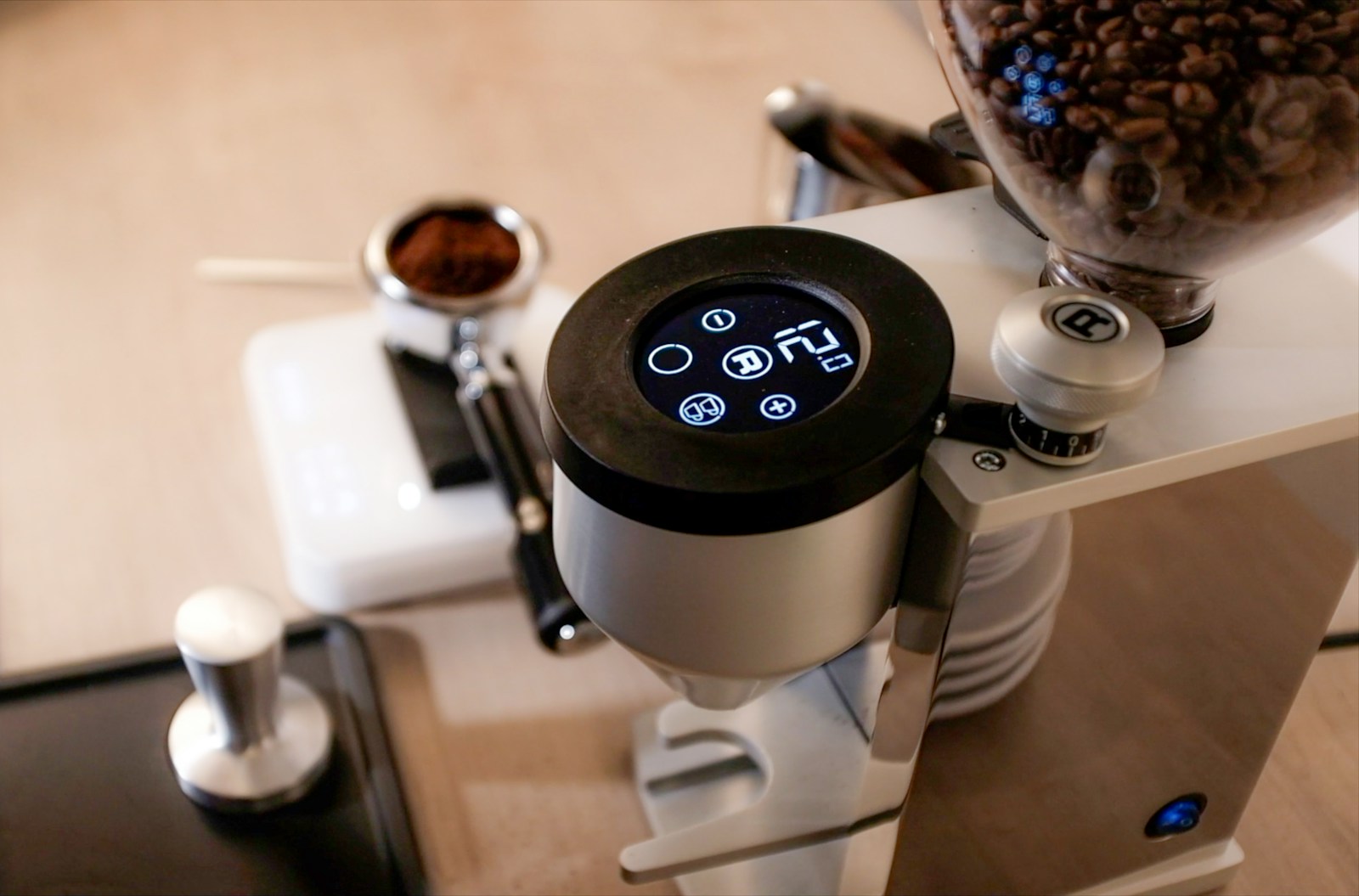
The digital coffee roaster will need to be calibrated, so that each and every batch of beans can be roasted with consistency, accuracy, and the flavor profile desired. You may be a home hobbyist or at the small cafe, a correctly tuned roaster helps you get rid of the guesswork and preserve the special flavor of your beans. It is a process of precise changes, precise temperature and how your machine perceives data. Precision and technology combine to produce the coffee roasting art in many coffee roasters in Vancouver, where the city is considered a nexus of innovation.
Understanding Calibration
Calibration is the tuning of your sensors and controls to ensure that the temperature and other readings that your roaster shows is the same as the temperature and surroundings. All digital roasters use sensors like thermocouples or infrared devices to control the temperature of the beans as well as the heat of the drum and the ambient air that is being used in the machine. These sensors may overtime have deviations on their actual readings because of wear, heat cycles or dusts. This mismatch may cause the roasting variations that influence the end taste and smell of your coffee.
Calibration should be consistent so that the data logs, roast profiles and temperature curves are an accurate representation of what is occurring in the drum. It is also necessary to ensure that even the most sophisticated roasting programs cannot be used to repeat the results. In the case of roasters dealing with specialty coffee beans, even minor changes can be the difference between catchable notes or balance in the cup that determines the quality of the cup. Calibration of your roaster provides the transition between digital accuracy and sensory roasting knowledge.
Preparing for Calibration
Cleaning your roaster before starting with the process of calibration is crucial. Remains, oils and chaff may disrupt heat transfer and change the temperature reading. Ensure that the ventilation system of the machine is free and has even airflow since airflow is the most determinant of how heat is distributed throughout the beans. Having a clean and stable environment will guarantee that the calibration adjustments are precise and dependable.
When the machine is prepared, heat it to average temperature, which is the usual range of roasting, 350degF to 450degF. The preheating process is used to mimic the real roasting process and to stabilize the sensors. When the machine is hot, check the readout of the machine against an independent, high- accuracy thermometer or probe. It is on this comparison that you base your calibration.
Adjusting Temperature Sensors
The most important process in the calibration is making the temperature sensors match your external reference readings. The digital roasters usually have built-in calibration parameters, which can be accessed via the control panel (software interface). When the readings are varied by a number of degrees, then do not change them drastically, but change them by small steps. Speed is less important than precision when sensor calibration is concerned, because any overcorrection is capable of corrupting your roast data.
It is also necessary to check the positioning of your sensors. When a sensor is not properly secured or placed, it may also give false readings no matter how it has been calibrated. Position the probes according to the instructions of the manufacturer and ensure that every sensor fits well. Correct positioning of these parts will guarantee that all the roast curves you take will reflect real bean temperature development.
Testing the Calibration
Once you have done some adjustments, test your roaster with a trial roast, using a small quantity of beans. Keep a check on the temperature curve and observe any abnormal variations. The aim is to ensure that the readings are consistent and are in line with anticipated stages of roast development including drying, Maillard reaction and first crack. Any difference in time or temperature could mean that there is more fine-tuning required.
Measure the data of your trial roast, whether using the software of your roaster, or another logging media. Compare the digital profile with the sensory analysis of the beans after roasting. When the color, aroma, and flavor formation is consistent with the data that has been recorded, then you have a high chance that your calibration is correct. This type of testing is great to gain confidence in the performance of your machine, and your roast profiles remain the same regardless of the batch.
Maintaining Calibration Over Time
Calibration is not a single process. Even the most sophisticated computerized coffee roasters need frequent tests to keep the precision. Sensor performance can be influenced by environmental factors, including change in humidity, temperature or overall wear. Have your machine calibrated monthly or quarterly, which is a good way to insure that your machine stays in optimum precision.
Where equipment is used in a busy setting in either a professional roasting or in a cafe, then calibration should be considered as a part of its routine maintenance. Most coffee roasters in Vancouver and other areas use special equipment or calibration machines to check the readings. Taking the time to regularly calibrate your reputation against quality and making sure that each bag of specialty coffee Vancouver you create is an example of consistency in flavor is a better protection of your reputation than taking the risk of allowing just a single coffee bag to fail you.
Conclusion
Consistent and high quality coffee roasting depends on accurate calibration. It makes the information you gather to be an accurate representation of the actual roasting conditions so you can have control over all the nuances of flavor and aroma. You might be roasting coffee to sell to a neighborhood coffee shop or you might be roasting coffee at home and trying out the art of specialty coffee, either way having a well measured digital roaster will ensure that your beans remain intact and that your art stays true to form. Technology and attention to detail come together, and what is created is a cup that has the potential to completely express the potential of every bean.