
Global Trends in Stablecoin Adoption and Their Impact on Everyday Transactions
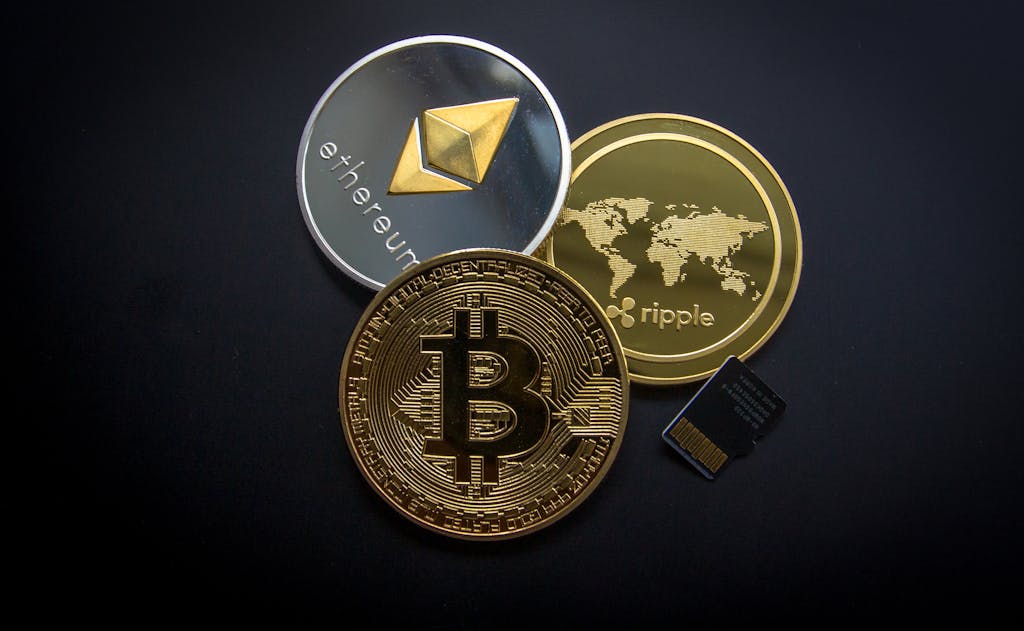
Stablecoins are gaining ground globally as really reliable tools for everyday payments. As nations and businesses seek faster, borderless transactions, stable digital assets reshape how the world interacts with money.

The concept of settling everyday payments with cryptocurrencies was hypothetical some time back. Cryptos are now filling the gap between risky cryptocurrency markets and mainstream finance with the use of stablecoins. In particular, fiat-value-backed stable digital currencies are seeing more integration into payment systems, retail enterprises and even peer-to-peer markets like p2p bitcoin transactions.
The Rise of Stablecoins
Stablecoins are digital assets designed to minimize volatility by pegging their value to stable assets like national currencies. Tether (USDT), USD Coin (USDC) and DAI are among the most widely used. Their consistent value allows them to function more like cash than speculative investments. This consistency makes them ideal for businesses and consumers who wish to engage in crypto transactions without the unpredictability typically associated with coins like Bitcoin or Ethereum.
The world over, the need for quick low-fee transactions has led to unprecedented adoption. In countries like Southeast Asia, Latin America, as well as parts of Africa, stablecoins are providing an available financial tool for the unbanked. Less dependence on the banks coupled with the possibility of making safe across-the-border transfers is further increasing their traction.
How Consumers and Merchants Are Adopting Stability in Crypto
Merchants are beginning to accept stablecoins due to their fast processing times and low transaction fees. Retailers who operate online or in multiple countries especially benefit from cutting down foreign exchange costs and settlement delays. In this way, stablecoins serve both global corporations and independent sellers.
Consumers enjoy the benefits of instant settlement, reduced charges and expanded access to digital finance instruments. Mobile applications and wallets now hold stablecoins and conduct payments, making them more convenient to adopt. In most instances, the wallets are incorporated into e-commerce platforms, gaming platforms and gig economy applications.
Stablecoins are now also being used in remittances, helping laborers rapidly send money back home with minimal expense. This expanding role contributes to stablecoins' everyday applicability beyond the sphere of investment portfolios.
Cross-Border Payments with Stablecoins
The established world remittance market is marked by delays and high charges. Stablecoins can disrupt it. Enabling borderless settlements with real-time settlement provides fresh competition to age-old financial establishments and remittance businesses.
For instance, one in Africa is able to send USDC to a relative in Europe instantly, circumventing banks and remittance service providers. Such efficiency poses important economic benefits, especially in economies where the remittance costs are high and can affect the amount of money the families receive.
Stablecoins' other major strength for the present situation is their continuity on a 24/7 schedule. There are not any bank holidays or cross-continent time lags involved as they are best suited for real-time worldwide commerce and support.
Crypto exchange Binance data captures the worldwide appetite for such assets. According to Binance data, up until July 2025, USDT was constantly pegged at approximately 1 USD and the BUSD exhibited similar pricing behaviour. Such price stability fuels their applications for everyday transactions and cross-world payments.
Regulatory Developments and Their Influence on Global Usage
As adoption grows, the regulatory response varies. Some nations are integrating stablecoins into their mainstream financial systems, while other nations are more reluctant. The European Union settled on regulatory guidance through the Markets in Crypto-Assets (MiCA) law to aspire to give transparency as well as to safeguard consumers. In Asia, nations have fostered experimentation with the use of stablecoin payments on a limited basis to pilot the integration of economies.
No matter different strategies, the direction of the trend is the same one: the governments are realizing the place for stablecoins in the contemporary economy. Such interest will nevertheless promote increased standardization and trust beyond borders that will have the decisive impact on future adoption.
In this volatile environment, precise data is paramount. Crypto reports today cite reports on the price swing of stablecoins and trade activity as proof of their increasing functionality. USDC and DAI prices stayed remarkably close to $1.00 until mid-2025, according to Binance data, securing their functionality as a medium of exchange as opposed to a speculative tool.
What the Future Holds
Stablecoins are increasingly becoming part of the everyday digital payment arsenal for consumers around the world. Stable digital money is the efficient global medium of transfer for making payments, buying things across the web or running freelance businesses.
Looking ahead, increased integration with point-of-sale systems, mobile wallets and fintech applications could further normalize their use. With major financial players continuing to explore partnerships and blockchain infrastructure, the stablecoin ecosystem seems poised for deeper involvement in global commerce.
There are some unresolved issues regarding scalability, regulation and interaction with the central bank. Nevertheless, the future is bright for stablecoin issuance as there is significant momentum. They will most likely coexist with CBDCs, cash and legacy financial instruments, as users will have more flexibility and options.
As digital literacy increases and technological infrastructure matures, more communities worldwide will find stablecoins accessible and essential to everyday transactions. This growing role illustrates a shift from viewing crypto solely as an investment tool to recognizing its capabilities as a global financial enabler.
- How to Seamlessly Integrate a New Expense Tracking Platform with Your Business
- The Top 5 Best Practices With Crypto Finance
- Big Savings: 4 Ways to Save Money on the Everyday Things You Buy
- 8 Important Uses of Technology in Our Daily Life
- The Intersection of Technology and Finance: Building Smarter Systems